If you’re pricing a luxury home in Outpost Estates, the biggest mistake is assuming the broader 90068 market tells the whole story. It does not. Outpost behaves like its own luxury micro-market, where architecture, site, privacy, and condition can move value far more than a simple price-per-square-foot average. In this guide, you’ll see what the latest numbers suggest, which recent sales matter most, and how to think about a launch price that protects both interest and leverage. Let’s dive in.
Why Outpost Estates Needs Its Own Pricing Lens
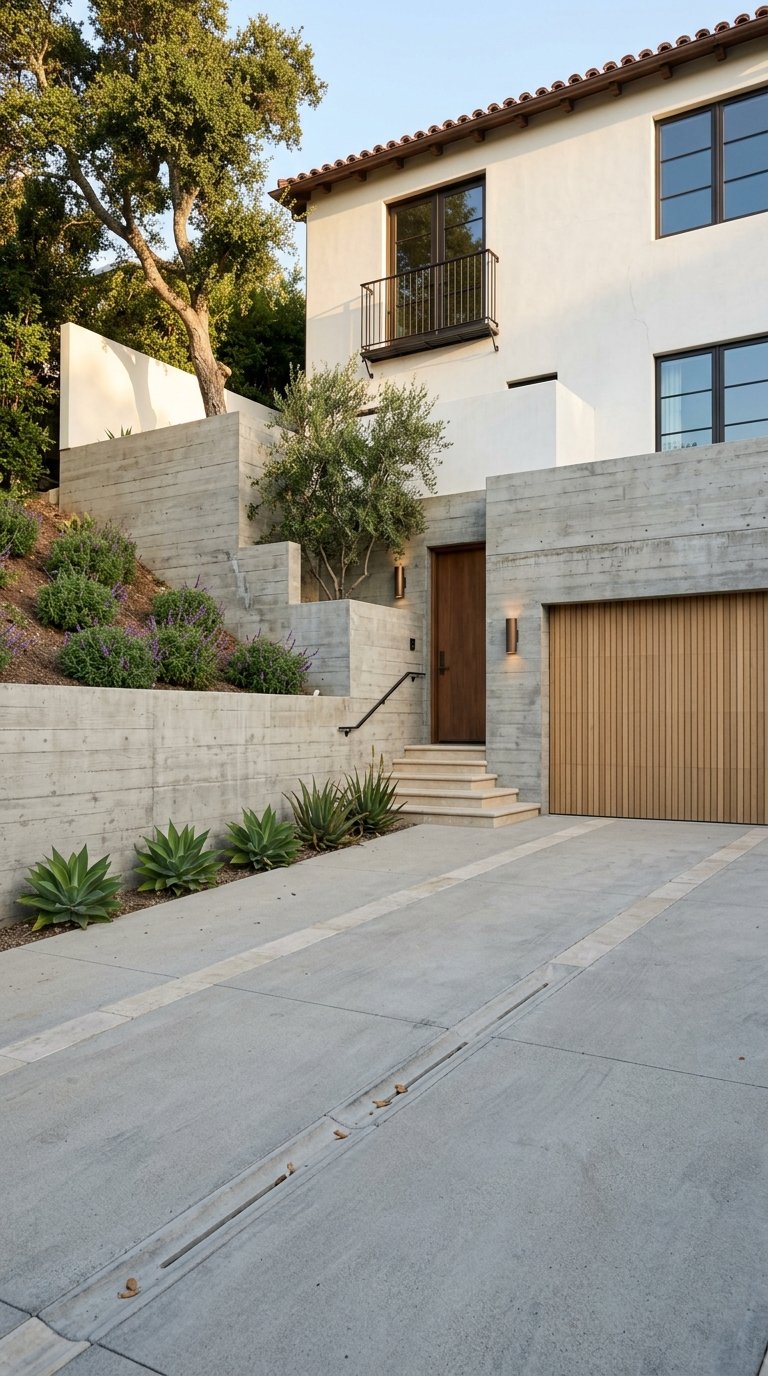
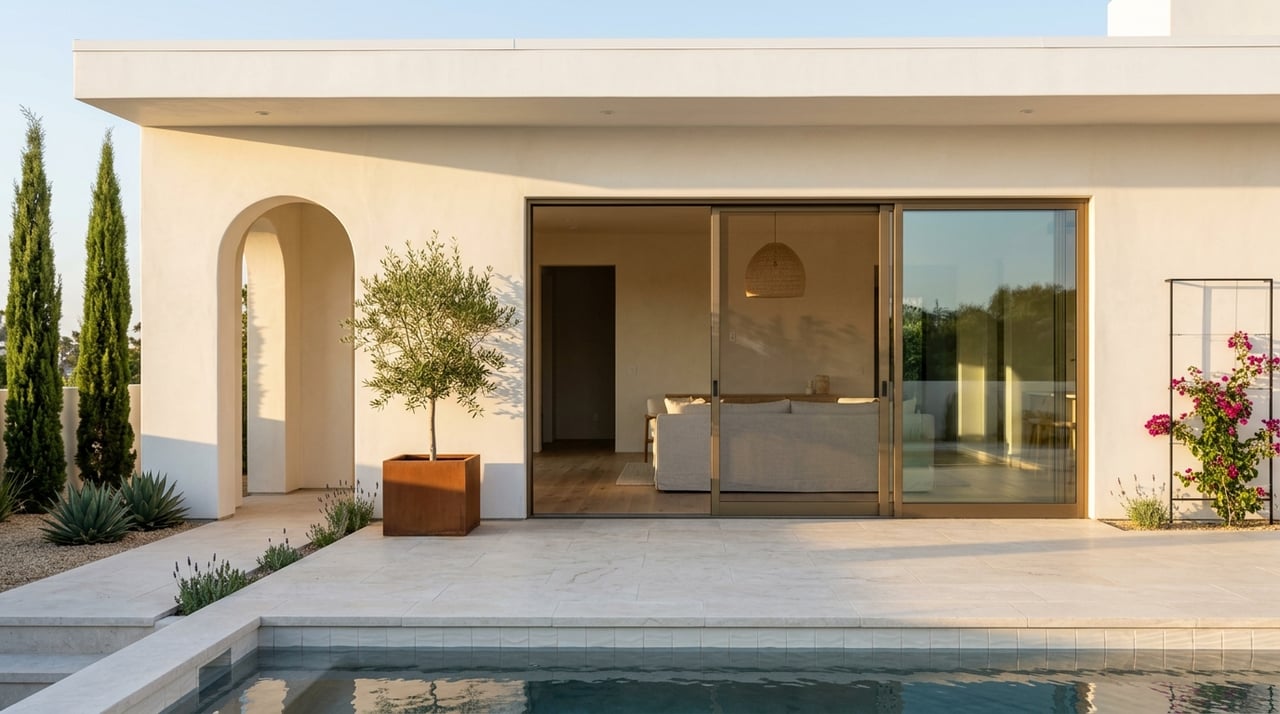
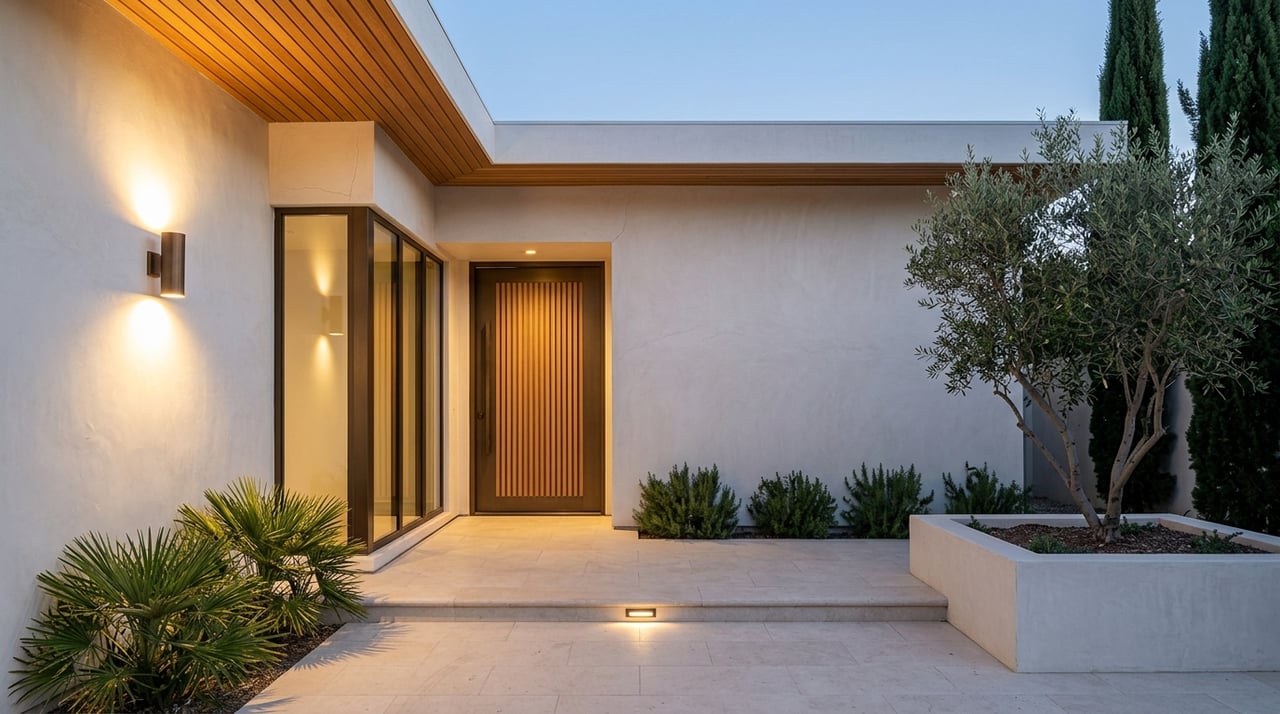
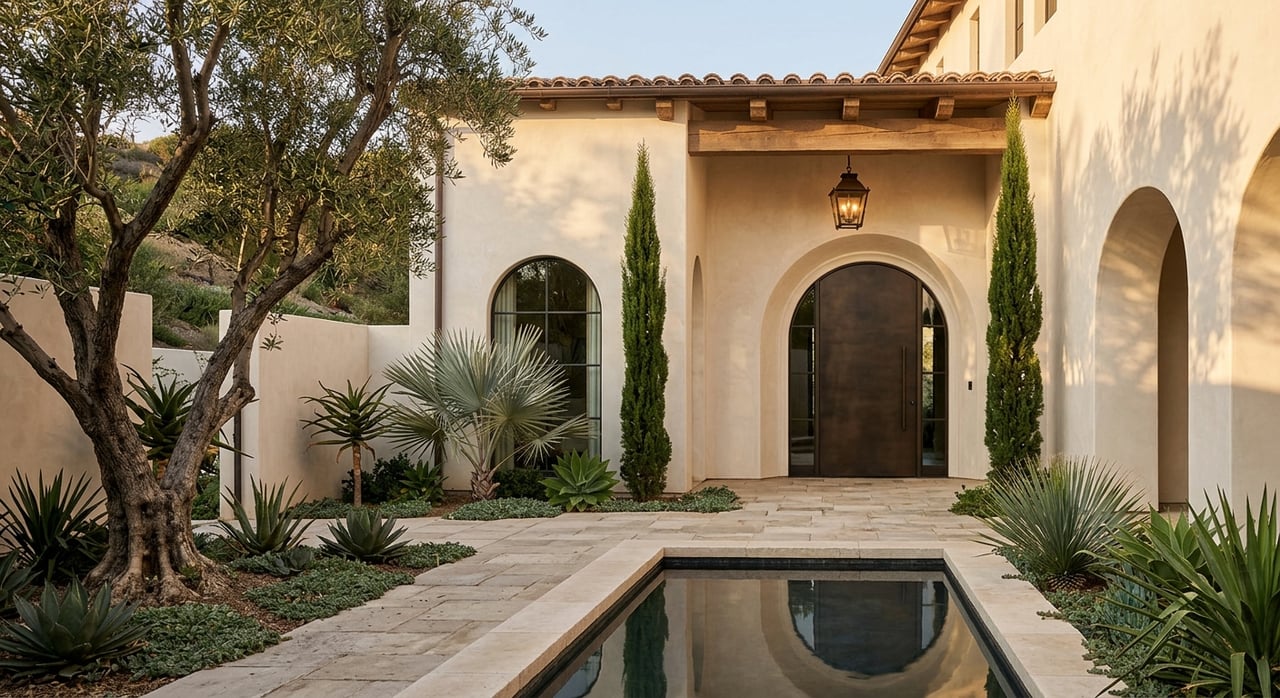
Outpost Estates is a compact Hollywood Hills enclave of roughly 450 homes, bordered by Mulholland Drive, Franklin Avenue, Runyon Canyon Park, and the Hollywood Heights and Hollywood Bowl area. It is known for Spanish, Mediterranean, and California modern homes, along with historic streetlights and underground utilities. City planning materials also describe the lower portion as a highly intact Period Revival setting with curving streets, landscaped parkways, mature camphor trees, and strong architectural continuity.
That context matters because buyers in Outpost are often not shopping by zip code alone. They are reacting to a very specific combination of setting, history, design, and privacy. In a neighborhood this distinct, a generic 90068 average can easily mislead a seller.
In May 2026, the broader 90068 market showed a median sale price of $1,736,484, about 85 days on market, and a median sale price of $731 per square foot. Redfin also showed that 33.9% of homes had price drops, 18% sold above list, and the median sale closed at 96.1% of list price. Outpost’s March 2026 snapshot looked very different, with a $4.25 million median sale price, 143 average days on market, and a 92.5% sale-to-list ratio.
The takeaway is simple: Outpost pricing should start with Outpost comps, not zip-code headlines. If you price a luxury listing here based on broad-market averages, you risk missing both the buyer pool and the negotiation pattern that define this neighborhood.
What Current Listings Suggest
Today’s active inventory also shows how wide the pricing ladder is inside Outpost Estates itself. Current Redfin listings range from about $2.08 million at 2120 Outpost Drive to $10.495 million at 2657 Larmar Road. Between those points, listings like 2034 Outpost Drive at $2.75 million and 6911 Los Tilos Road at $3.995 million illustrate how varied the market can be.
That spread tells you something important. There is no single “Outpost price.” Your home needs to be placed in the right band based on its street, lot, views, architectural significance, condition, and overall presentation.
Recent Outpost Sales That Help Frame Value
Move-in-ready baseline sales
One of the clearest baseline sales is 2206 Outpost Drive, which sold on February 27, 2026 for $2.15 million, exactly at list. The home measured 2,236 square feet on an 11,600-square-foot lot and had been newly renovated. With wood-beamed ceilings, privacy, and a trees-and-woods view, it offers a useful reference point for a polished, move-in-ready home that is appealing but not trophy-tier.
Another useful data point is 6930 Oporto Drive, which sold on March 24, 2026 for $2.811 million after starting at $2.999 million. It spent 202 days on the market and closed about 6% under list at roughly $803 per square foot. That result shows how a home with a less compelling site or story can trade at a meaningful discount, even in the same neighborhood.
Historic and provenance-rich sales
At the higher end, 1851 Outpost Drive sold on April 29, 2026 for $6.325 million after being listed at $7.395 million. This 1929 Spanish Colonial Revival home had strong pedigree, including longtime ownership by Bob Barker and designation as Los Angeles Historic-Cultural Monument No. 673. Even after a two-year restoration, it still closed 14% below ask.
2200 Maravilla Drive sold on February 27, 2026 for $6.75 million, down from a $7.5 million list price. As a 1929 Spanish Revival on a rare flat cul-de-sac with sweeping city-to-ocean views and strong provenance, it belongs in a more rarefied historic-estate comp cluster than a standard hillside listing.
Upper-end estate and ceiling comps
7141 Senalda Road sold on March 19, 2026 for $8.1 million after listing at $8.995 million. The property sits on 2.28 gated acres, was designed by Roland Coate, and offers sweeping city views. At about $1,200 per square foot, it represents the upper end of the neighborhood’s recent comp range.
Then there is 7017 Senalda Road, which sold for $13 million after originally asking $15 million. With 2.3 acres, Lloyd Wright pedigree, multiple structures, and celebrity significance, this is best understood as a ceiling comp rather than a standard pricing template. It can help test the top of the market, but it should not anchor pricing for a typical Outpost listing.
The Main Value Drivers in Outpost Estates
Architecture and pedigree matter
In Outpost Estates, architectural identity is not just a style preference. It is often a pricing driver. The neighborhood’s early development favored Spanish-style homes, plaster construction, ornamental lighting, sidewalks, and underground utilities, and the lower portion is recognized for its architectural cohesion.
That means buyers may pay differently for a home with notable design lineage, preserved original details, or recognized historic status. Recent examples like 1851 Outpost, 2200 Maravilla, 7141 Senalda, and 7017 Senalda all show that pedigree can shape perception and value.
Condition still matters
Pedigree alone does not eliminate pricing pressure. The market is showing that buyers respond strongly to either turn-key condition or truly exceptional significance, but those are not the same thing. A clean renovation can support a sharper launch and stronger early response, while a storied home that still needs buyer imagination may take longer to find its match.
You can see this in the contrast between 2206 Outpost and several larger, more notable properties that still sold below ask. Even in a luxury enclave, presentation and condition influence leverage.
Site, street, and privacy can change the comp set
In Outpost, one block is not always like the next. Curving streets, hillside topography, proximity to Runyon Canyon, and variation in lot depth or setback can create very different living experiences within a tight geographic area.
A rare flat cul-de-sac lot, gated acreage, expansive views, or a more private position can justify a different pricing band. That is why the strongest comps usually cluster first by street, slope, view profile, and privacy, then by square footage.
What the Numbers Say About Strategy
The recent sales paint a clear picture. A well-prepared home can still sell at or near asking price, but many luxury transactions in Outpost are closing 6% to 14% below original ask. Longer market times are also not unusual, especially when a seller reaches beyond the most defensible comp range.
That matters because pricing is not just about where you hope to end up. It shapes buyer urgency, the number of private showings, and whether your listing feels fresh or stale. In a market where many homes require reductions, the opening number has to do real work.
For most sellers, the smartest approach is to build a comp set from the nearest true matches first. That usually means comparing homes by:
- Street or immediate pocket
- Architectural era and style
- Lot type and topography
- View quality
- Privacy profile
- Renovation or restoration level
- Overall presentation and story
Once that cluster is built, trophy sales can be used as a ceiling test rather than the pricing foundation. This helps you avoid overreaching based on a headline-grabbing estate sale that does not actually compete for the same buyer.
How to Think About a Launch Price Today
If your home is renovated, well-staged, and positioned in a desirable micro-location, you may have a case for a firmer launch. If it has a less flexible floor plan, a more challenging site, or a pricing story that depends heavily on provenance, you may need a wider negotiation cushion.
In practical terms, pricing a luxury home in Outpost Estates today is about balancing aspiration with proof. You want to protect the home’s stature, but you also want to stay close enough to the market that serious buyers engage early.
A strong pricing conversation should answer a few key questions:
- Which recent sale is the closest true substitute for your home?
- Which differences justify an upward or downward adjustment?
- Is your property competing with move-in-ready homes, restored historic homes, or trophy estates?
- Are you using an upper-end comp as a benchmark, or mistakenly using it as a direct comparable?
When those questions are answered honestly, the pricing decision becomes much clearer.
If you’re preparing to sell in Outpost Estates, the best outcomes usually come from a combination of precise comp selection, elevated presentation, and a launch strategy built for this neighborhood’s buyer pool. For a tailored pricing strategy and high-touch guidance in the Hollywood Hills micro-market, connect with Neal Baddin.
FAQs
What makes pricing a luxury home in Outpost Estates different from pricing in 90068?
- Outpost Estates has a much higher median sale price, longer average market time, and a lower sale-to-list ratio than the broader 90068 market, so sellers should use neighborhood-specific comps rather than zip-code averages.
What recent Outpost Estates sale is a good baseline for a renovated non-trophy home?
- 2206 Outpost Drive is a useful baseline because it sold at its list price of $2.15 million after renovation, offering a clear reference for a move-in-ready home without trophy-level pedigree.
How much do luxury homes in Outpost Estates typically sell below asking price?
- In the recent comp set cited here, discounts ranged from 0% to about 14% below original ask, showing that even notable homes often require realistic pricing and negotiation room.
Does architectural pedigree increase value in Outpost Estates?
- It can, because buyers in Outpost often respond strongly to architectural lineage, historic status, preserved original details, and provenance, but those factors still need to be supported by condition and overall market fit.
Should trophy sales be used to price a typical Outpost Estates home?
- No, trophy sales are usually more useful as ceiling comps, while most pricing decisions should begin with the nearest true matches based on street, site, views, privacy, architecture, and condition.