If you have ever fallen for a classic Hollywood Hills view home, you already know the appeal of Outpost Estates. The setting feels tucked away, yet you are still close to major Los Angeles landmarks and everyday city life. If you are buying your first hillside home here, the real opportunity is not just finding a beautiful house, but understanding how access, views, permits, and wildfire risk shape the experience of ownership. Let’s dive in.
Why Outpost Estates Stands Out
Outpost Estates is a compact neighborhood in ZIP code 90068 with about 450 homes across 16 streets, according to the Outpost Neighborhood Association. The neighborhood is bordered by Mulholland Drive, Franklin Avenue, Runyon Canyon Park, and Hollywood Heights and the Hollywood Bowl. That small scale gives it a distinct identity within the Hollywood Hills.
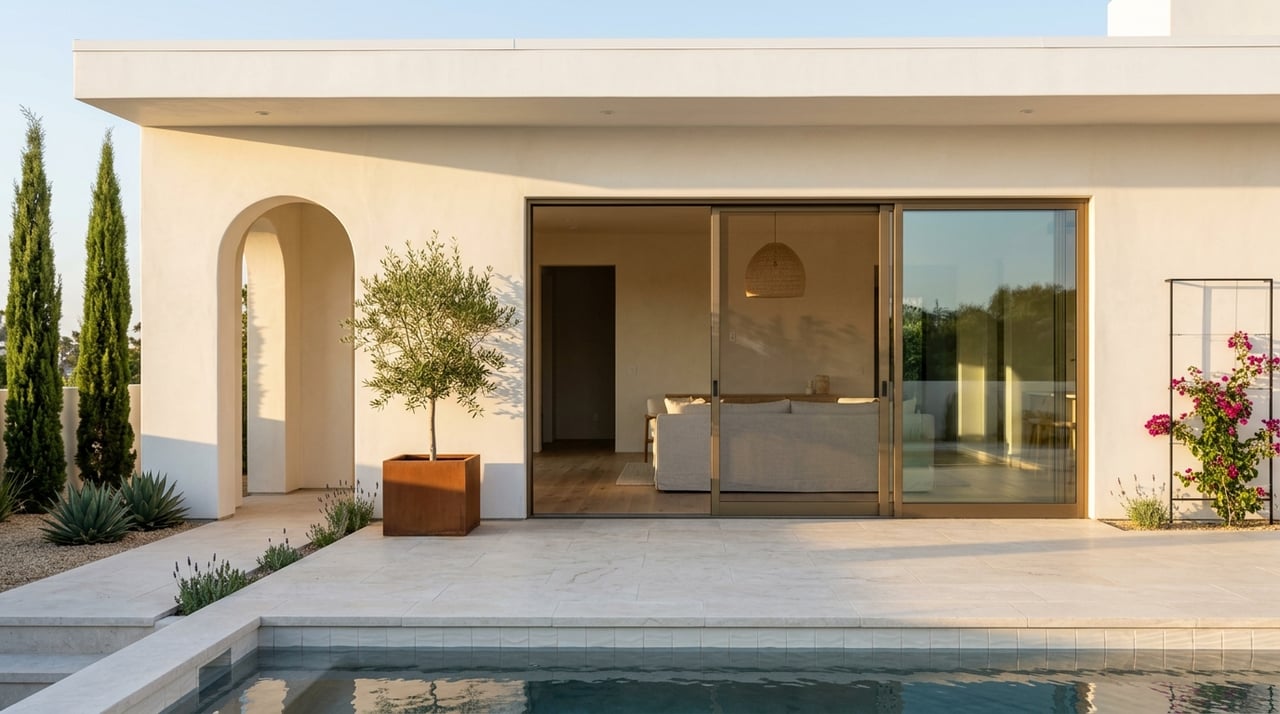
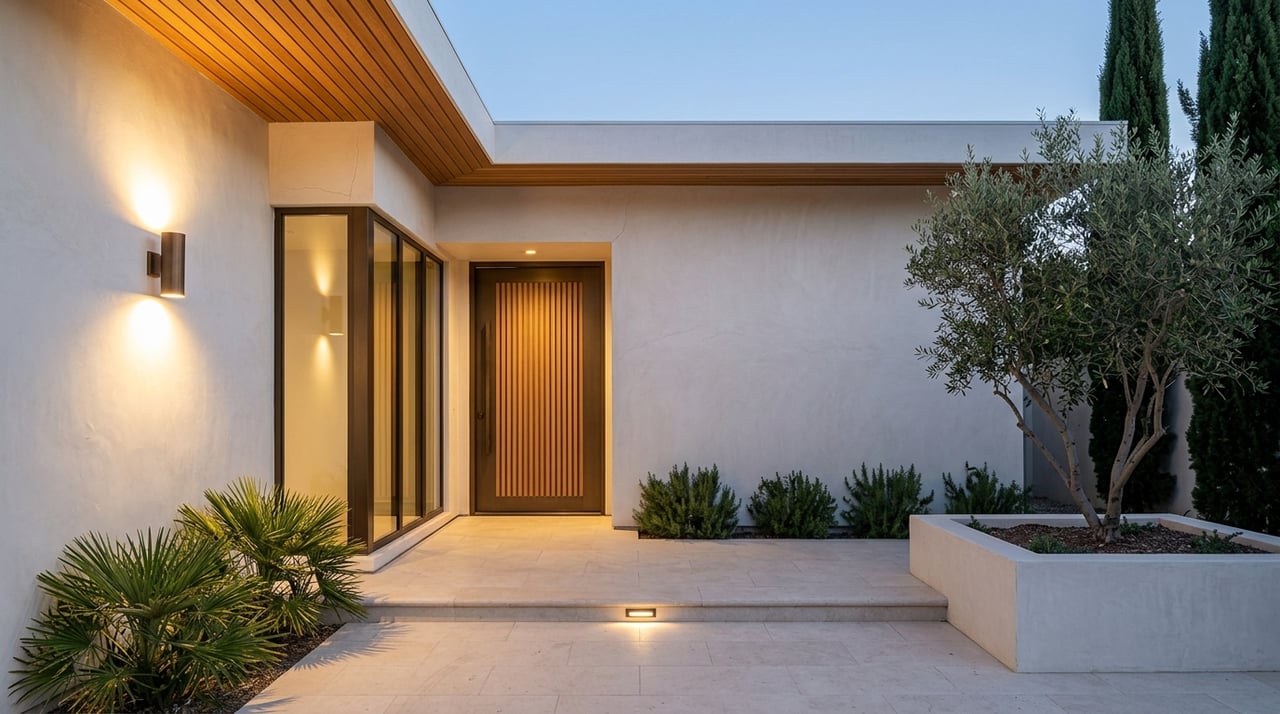
The area is known for Spanish, Mediterranean, and California Modern homes, along with underground utilities and historic street lights. Those details matter because they shape the feel of the streetscape and help explain why buyers are drawn to this part of the hills. For many first-time hillside buyers, Outpost offers a rare mix of seclusion, character, and central location.
What First-Time Hillside Buyers Need to Know
Buying in a hillside neighborhood is different from buying on a flat city lot. In Outpost Estates, the lot itself can affect how easy the home feels to live in every day. A house may photograph beautifully, but the practical details often matter just as much once you move in.
That means you should look beyond finishes and staging. Pay close attention to driveway width, garage setup, street approach, view orientation, and outdoor usability. In a hillside market, small physical differences between properties can create a very different ownership experience.
Access and Parking Matter More Here
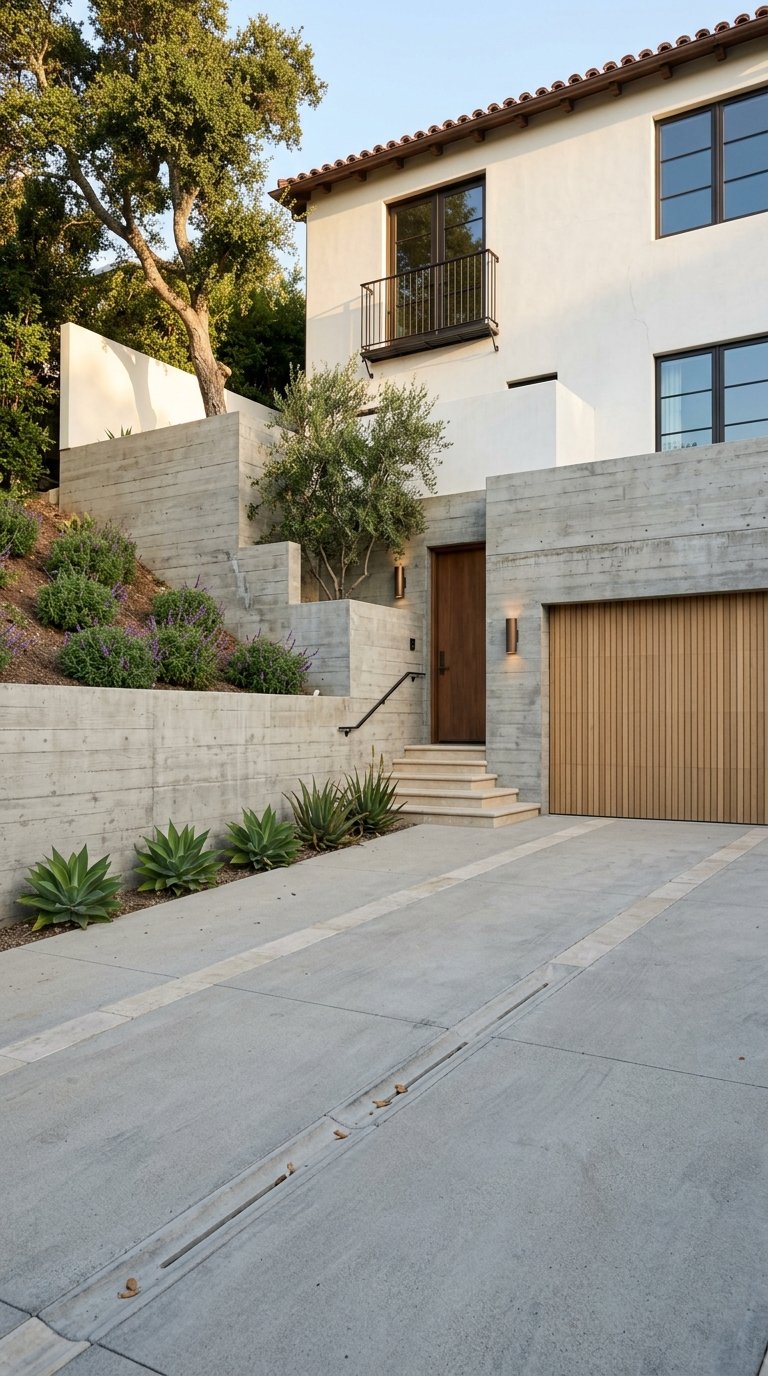
In Los Angeles hillside areas, access is not a minor detail. City hillside standards for one-family dwellings require at least two parking spaces in a private garage, with standard stalls at least 8 feet 6 inches by 18 feet, and every access driveway at least 9 feet wide. In some hillside cases, the city may also require access from a street improved with a minimum 20-foot continuous paved roadway from the driveway apron to the hillside boundary, unless relief or approval is granted.
For you as a buyer, that translates into a simple question: how easy is it to get in and out of the property? A steep or awkward approach can affect daily comfort, guest parking, and future project plans. In a neighborhood like Outpost Estates, homes with more straightforward access often feel easier to own and enjoy.
What to check during a showing
When you tour a home, try to evaluate access in real time instead of assuming it will work itself out later.
- Is the driveway easy to enter from the street?
- Is there enough room to turn around comfortably?
- Does the garage feel practical for real cars, not just storage?
- Is street access narrow, steep, or difficult at night?
- How easy would parking be for visitors?
Views, Light, and Privacy Can Vary Lot by Lot
One reason buyers focus on Outpost Estates is its hillside setting near Runyon Canyon Park and the Hollywood Bowl. Research cited in the report shows that views and proximity to open space are often reflected in residential values. In simple terms, buyers tend to pay attention to what a property looks out onto and how connected it feels to open surroundings.
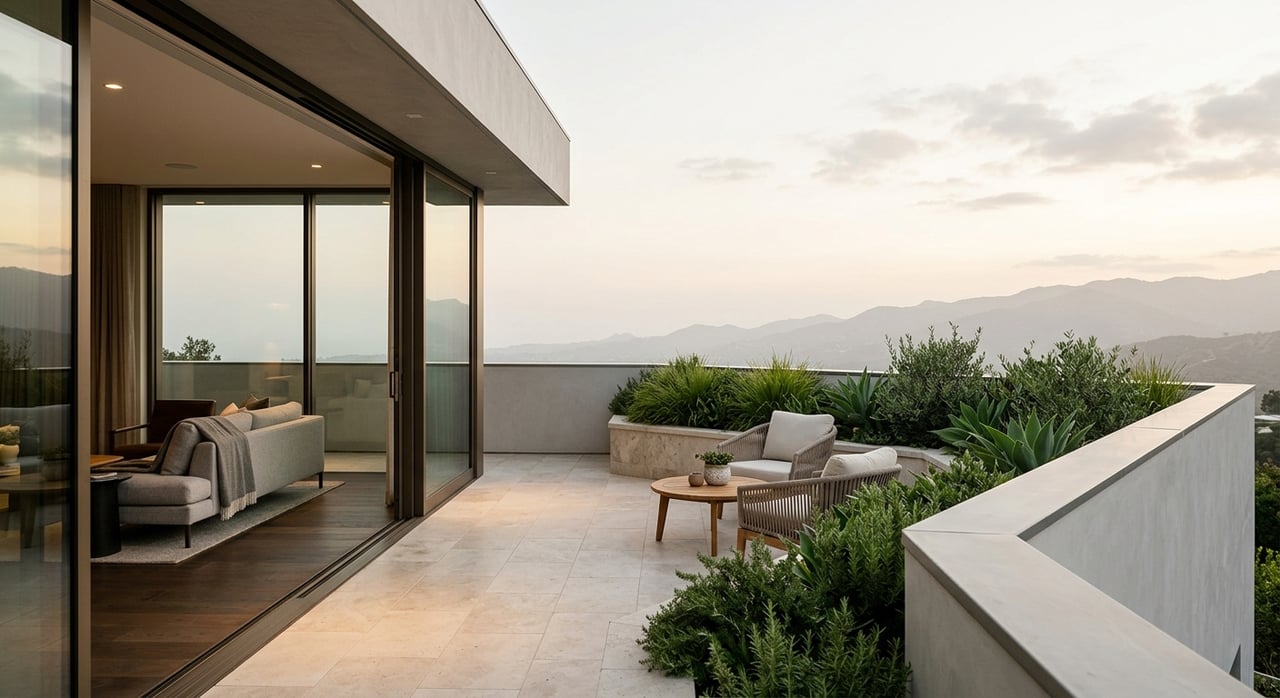
In Outpost Estates, that can vary sharply from one parcel to the next. A small change in elevation, orientation, or neighboring structures can affect natural light, privacy, and view potential. Two homes on nearby streets may offer very different living experiences even if they are similar in size.
Look past the listing photos
Photos usually show a property at its best angle and best hour. When you visit, check which rooms actually capture the view and how the light changes across the day. Also pay attention to decks, terraces, and yards, because outdoor areas are a big part of hillside living.
Neighborhood Character Adds Long-Term Appeal
The history of the neighborhood also helps explain its appeal. The Outpost Homeowners Association was incorporated in 1967 to protect neighborhood privacy and property, and later pushed for traffic control and city services. For a buyer, that history suggests a neighborhood where privacy, access, and street conditions have been important for a long time.
That kind of continuity can be meaningful when you are buying into a small, established hillside enclave. Outpost Estates is not just about views. It is also about preserved character, a limited number of homes, and a setting that feels distinct from more typical city neighborhoods.
Permits and Site Work Deserve Extra Attention
With hillside property, the house is only part of the story. The site itself can create future obligations if you plan to remodel, add a pool, rework the yard, or modify retaining walls. In Los Angeles hillside grading areas, LADBS says grading permits are required for grading work, removal and recompaction, or backfill.
LADBS also says a soils or geology report is usually required before permits are issued, and those reports commonly address slope instability, earthquake-induced landslides, and liquefaction. Even if a home looks complete and move-in ready, future improvements may involve more review than you would expect on a flat lot. That is why permit history and prior reports are so important.
Ask for these records early
If you are serious about a property, ask for documentation before you are too far into the process.
- LADBS permit history
- Prior grading permits
- Retaining wall permits
- Addition or basement permits
- Any soils or geology reports
- Parcel profile or zoning-related notes in city records
Wildfire and Insurance Should Be Part of Your Search
Wildfire risk is a core issue in hillside buying. CAL FIRE classifies fire hazard zones as moderate, high, or very high based on factors such as fire history, vegetation, terrain, blowing embers, flame length, and typical fire weather. LAFD directs residents to the state fire hazard map to determine a property’s zone, and in 2025 said the state had issued updated recommended local maps for Los Angeles that the city would adopt by ordinance.
The practical point is that wildfire risk should be part of your decision before you close, not after. The California Department of Insurance says CAL FIRE hazard maps do not directly determine insurance rates or availability, but insurers do use wildfire risk models and other data when deciding where to write and renew policies. That makes insurance shopping, fire hardening, and defensible space important parts of your purchase planning.
A smart wildfire checklist
Before you move forward, consider these questions:
- What is the current fire hazard classification for the property?
- Have you reviewed current insurance quotes?
- Are there visible fire hardening features?
- What will defensible space maintenance likely involve?
- Does the site layout create extra vegetation or access concerns?
How Hillside Factors Influence Value
Outpost Estates has several features that are hard to replicate: preserved historic character, underground utilities, a relatively small number of homes, and close proximity to major Hollywood destinations. Those qualities can support strong buyer interest. The neighborhood’s setting also aligns with broader research showing the appeal of views and open space.
At the same time, not every hillside parcel performs equally. Access challenges, limited parking, awkward topography, or more complex site work can narrow the buyer pool. On the other hand, homes that combine usable parking, comfortable access, and real view corridors may command stronger interest because they solve the practical issues that often come with hillside living.
A First-Time Buyer Strategy for Outpost Estates
If this is your first hillside purchase, your goal should be clarity. You want to understand not only whether a home is attractive today, but whether it will feel functional, insurable, and manageable after move-in. In Outpost Estates, the best buying decisions usually come from balancing architecture and atmosphere with site-specific due diligence.
That means slowing down enough to study the lot, not just the house. It also means asking better questions than you might ask in a conventional neighborhood. A polished showing is helpful, but the real value is in understanding how the property works on the ground.
Key Questions to Ask Before You Buy
Use this list as a practical starting point when you evaluate an Outpost Estates property.
- What does the LADBS permit history show?
- Are there prior grading, retaining wall, or addition permits?
- Is the driveway width adequate for comfortable daily use?
- Does the street access appear to satisfy hillside requirements?
- Has the seller provided any soils or geology report?
- What is the current wildfire hazard classification?
- What do recent insurance quotes look like?
- Which rooms and outdoor areas actually capture the view?
- How usable are the decks, yard areas, and approach to the home?
Buying your first hillside home in Outpost Estates can be incredibly rewarding when you know what to look for. The right property can deliver privacy, architectural character, and a true sense of place in one of the most distinctive pockets of the Hollywood Hills. If you want experienced guidance on evaluating access, views, and hillside tradeoffs in this micro-market, Neal Baddin can help you approach the search with more confidence and precision.
FAQs
What makes Outpost Estates different from other Hollywood Hills neighborhoods?
- Outpost Estates is a compact neighborhood of about 450 homes across 16 streets in ZIP code 90068, with preserved architectural character, underground utilities, historic street lights, and a tucked-away hillside setting near major Hollywood landmarks.
Why is driveway access so important when buying a hillside home in Outpost Estates?
- In hillside areas, driveway width, garage layout, and street approach can affect daily convenience, guest parking, and even future permitting, so access is often a major part of how comfortable a home feels to own.
What permits should first-time buyers review for an Outpost Estates hillside property?
- You should review LADBS permit history and ask about any prior grading, retaining wall, addition, or site-work permits, along with any available soils or geology reports.
How do views affect home value in Outpost Estates?
- Research cited in the report indicates that views and proximity to open space can support residential value, and in Outpost Estates the exact benefit often depends on the parcel’s orientation, elevation, privacy, and usable outdoor space.
How should buyers evaluate wildfire risk for an Outpost Estates home?
- Buyers should confirm the property’s fire hazard classification, review insurance options early, and consider whether fire hardening and defensible space work may be part of ongoing ownership.
What should a first-time buyer focus on during an Outpost Estates showing?
- Focus on practical details like the driveway, garage usability, street access, natural light, privacy, view orientation, and whether outdoor spaces are truly functional, not just visually appealing in listing photos.