What makes one Hollywood Hills listing feel unforgettable online while another gets scrolled past? Along Mulholland and Woodrow Wilson, that difference often comes down to presentation. In a corridor defined by views, architecture, and hillside siting, premium marketing is not a luxury add-on. It is a core part of how buyers understand value before they ever schedule a tour. If you are thinking about selling here, it helps to know why elevated marketing can shape attention, perception, and ultimately results. Let’s dive in.
Why this corridor demands more
Mulholland and Woodrow Wilson sit within a city-recognized scenic corridor. Los Angeles City Planning identifies the Mulholland Scenic Parkway as a plan overlay, and the area is guided by rules intended to preserve scenic character, protect views, reduce visual intrusion, and ensure visible projects complement the landscape.
That matters for sellers because homes here are not experienced as standard inventory. Buyers often evaluate them through a more nuanced lens that includes view orientation, privacy, architecture, and how the home responds to the site. In other words, your home is not just being compared on bedroom count or square footage. It is being judged on presence.
The surrounding housing stock reinforces that point. Woodrow Wilson and nearby stretches of Mulholland are tied to architecturally notable homes, steep-lot design, and a long-standing connection to design and entertainment history. In a setting like this, presentation has to do more than document a property. It has to interpret it clearly and credibly.
Why online first impressions matter
Today, the listing usually has to win online before it wins in person. According to NAR’s 2025 buyer and seller data, 51% of buyers found the home they purchased online, while 29% found it through an agent. Among buyers who used the internet, 83% said photos were very useful, 79% said detailed property information was very useful, and 57% said floor plans were very useful.
That tells you something important if you own a home on Mulholland or Woodrow Wilson. The first photo, the opening sequence of images, and the headline are not small marketing choices. They are often the first filter a serious buyer uses to decide whether your property is worth saving, sharing, or touring.
In a market with architecturally distinctive hillside homes, buyers tend to make quick judgments based on visual clarity. If the listing does not explain the setting well, or if the imagery undersells the scale, layout, or outlook, you can lose momentum before the property ever has a chance to speak for itself in person.
Premium marketing helps buyers see the value
High-end marketing works because it reduces uncertainty. It helps buyers quickly understand what is special, how the home lives, and why it commands attention in a competitive field.
That is especially true in hillside locations where the best features are often spatial and experiential. A home may have dramatic sightlines, layered outdoor areas, or a multi-level floor plan that only makes sense when it is presented with intention. Premium marketing turns those details into a clear story.
Photography is the first screening tool
Professional photography is the foundation. NAR reporting shows that photos remain the most useful online feature for buyers, and that aligns closely with how homes in this corridor are evaluated.
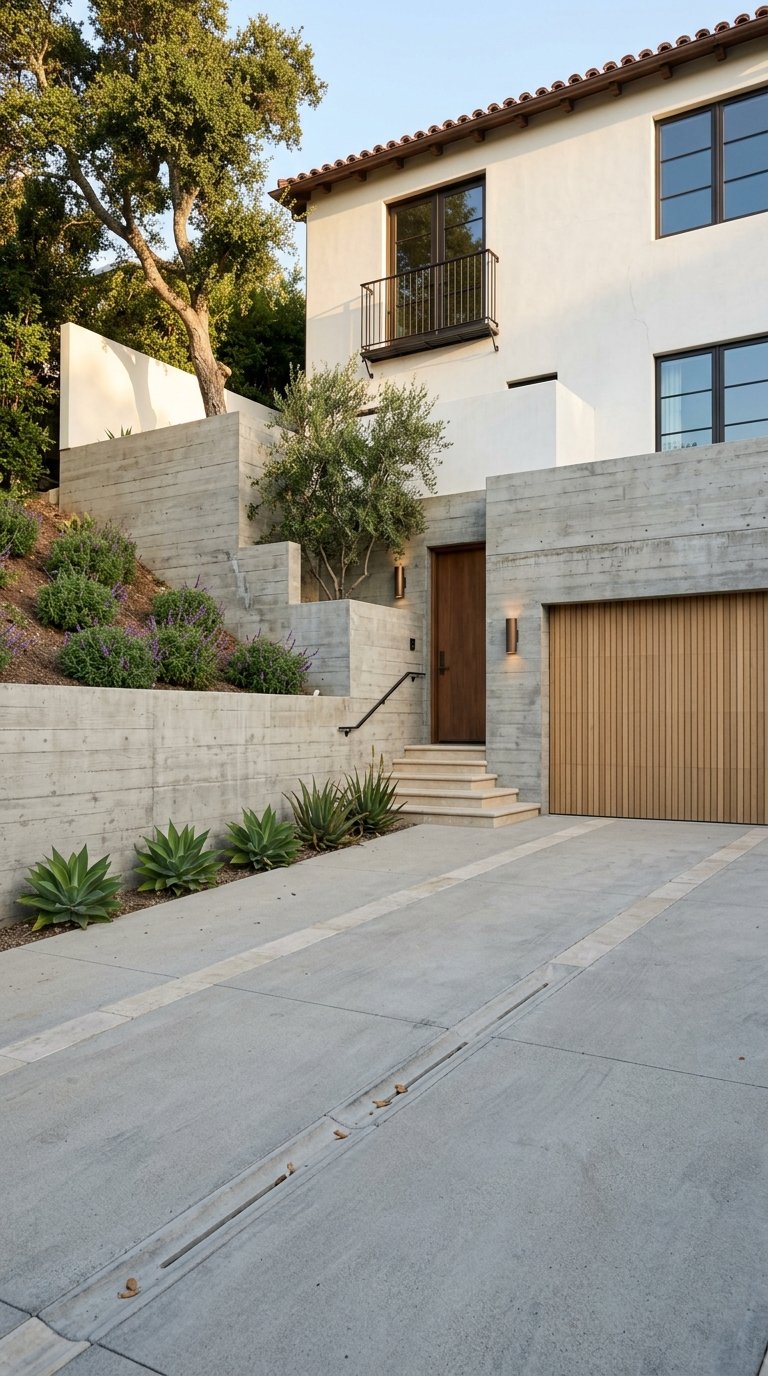
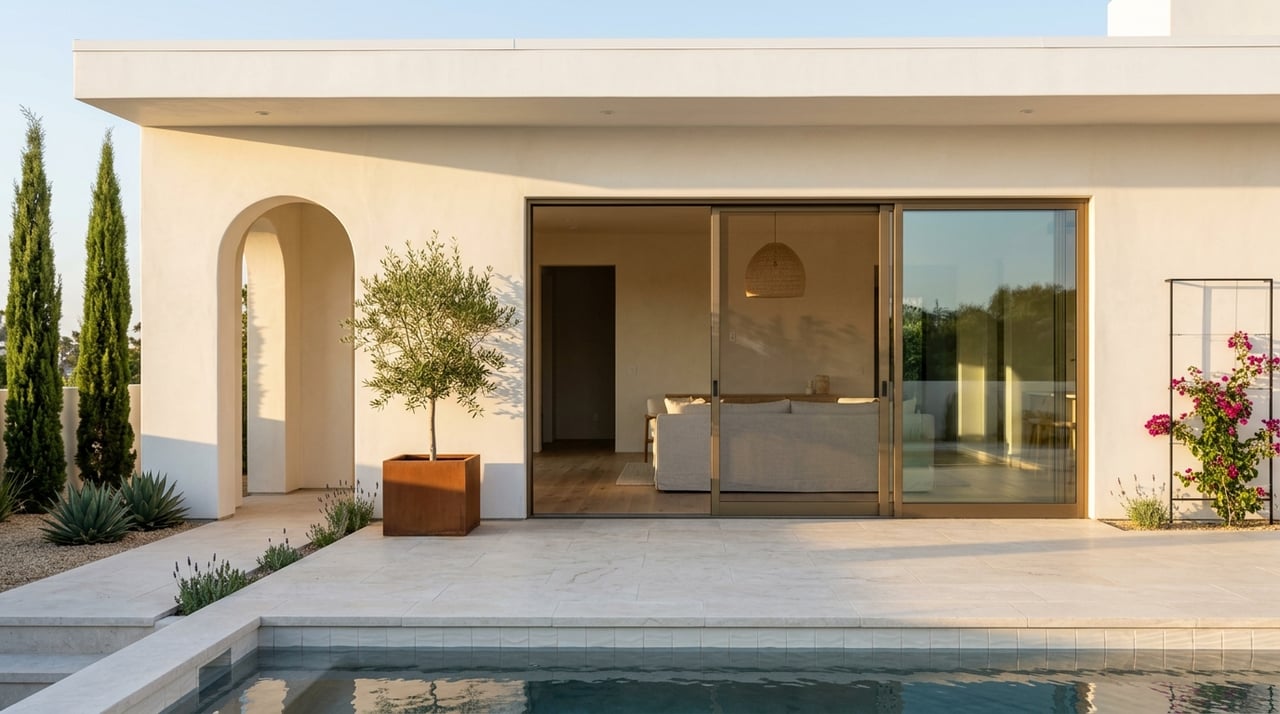
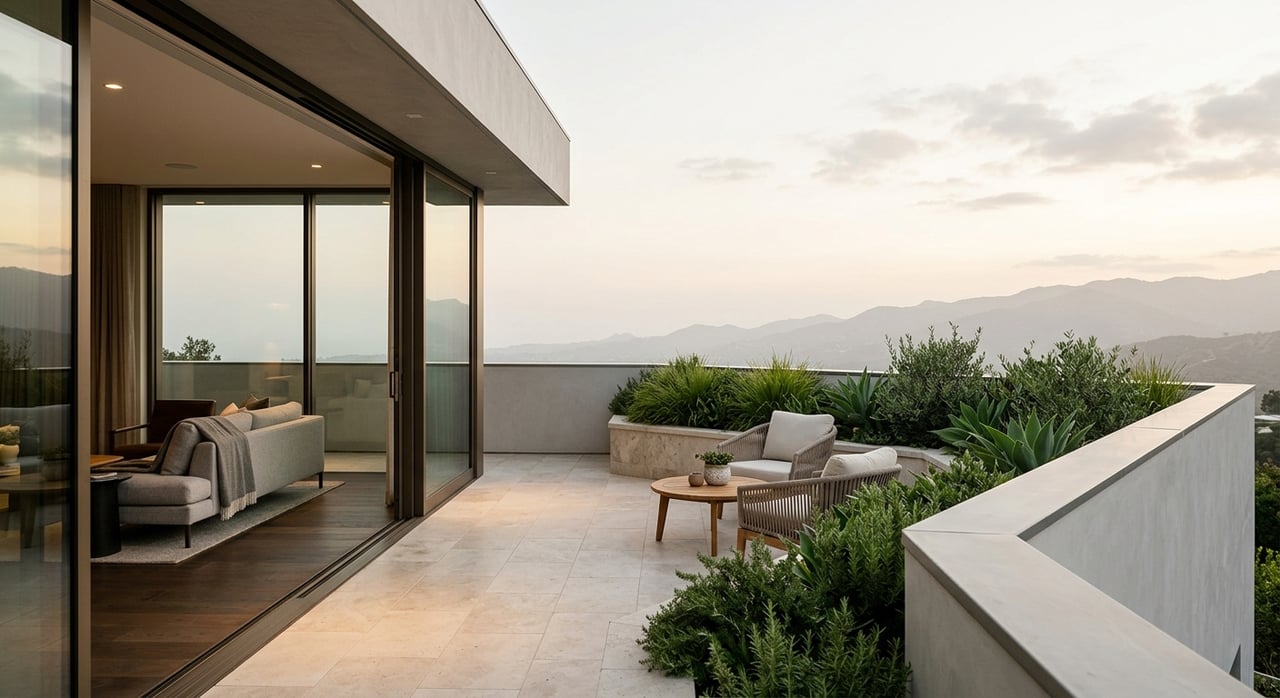
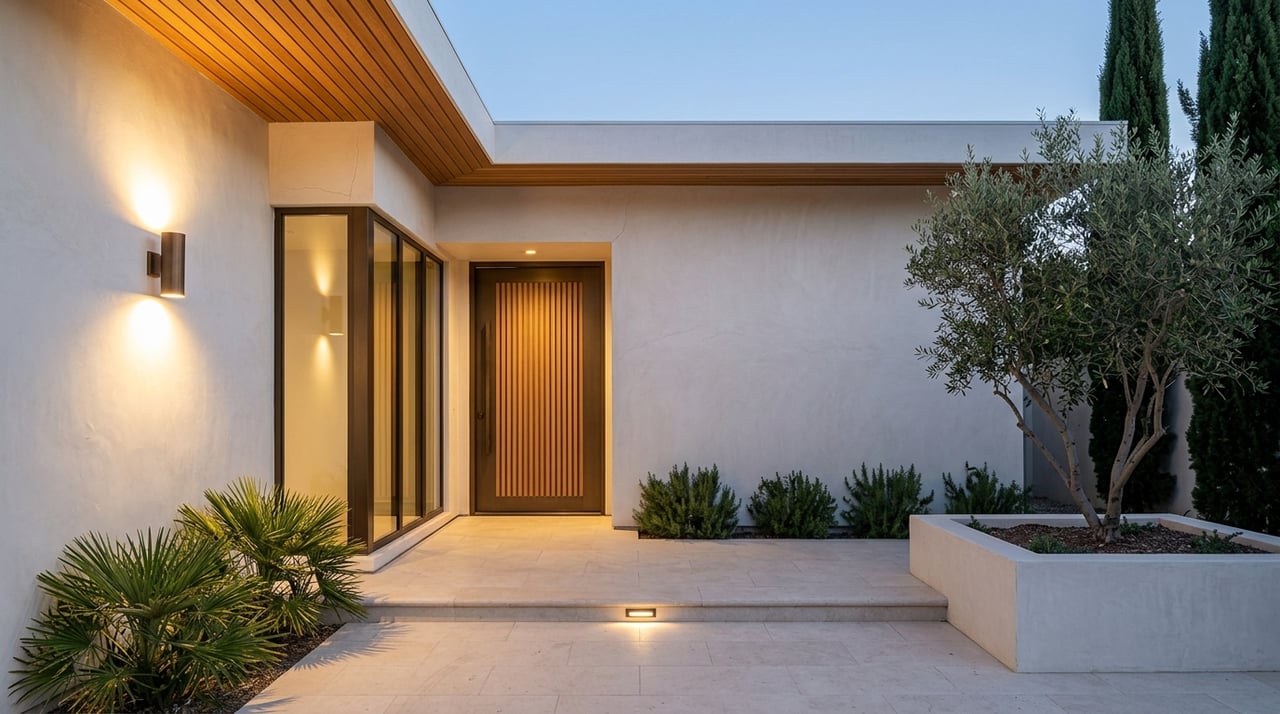
For Mulholland and Woodrow Wilson listings, photography should do more than make rooms look attractive. It should communicate natural light, frame views honestly, show the relationship between indoor and outdoor spaces, and reveal the character of the architecture. In a view-driven market, buyers often decide within seconds whether a home feels rare or replaceable.
Just as important, the images have to feel accurate. NAR has also cautioned that when buyers feel a home does not match its online presentation, sellers can face lower offers. The goal is not to over-polish. The goal is to present the property at its best while staying faithful to the in-person experience.
Staging supports imagination
Staging can be particularly effective because it helps buyers picture themselves in the space. NAR’s 2025 staging report found that 83% of buyers’ agents said staging makes it easier for buyers to visualize a property as a future home.
The same report found that some agents saw gains in value offered, typically in the 1% to 5% range versus similar unstaged homes, while others reported slightly shorter time on market. That does not make staging a guarantee, but it does show why thoughtful preparation can influence buyer response.
In homes like these, staging is often most useful when it clarifies scale and function. The living room, primary bedroom, and kitchen are especially important, since those are among the rooms buyers’ agents ranked as most important to stage. In hillside homes, staging can also help define flexible areas, frame view lines, and show how terraces or outdoor spaces connect to daily living.
Video and virtual media add depth
Still photos get the click, but video and virtual assets can hold attention longer. NAR’s staging report found that buyers’ agents viewed videos and virtual tours as meaningful tools for clients, especially as part of a broader presentation package.
That matters in this corridor because many homes are hard to summarize in a few flat images. Split-level layouts, dramatic stair sequences, private approach drives, and elevated decks all benefit from motion-based storytelling. Video can help buyers understand flow, arrival, and atmosphere in a way still photos cannot fully capture.
Floor plans reduce friction
Floor plans are often underestimated, yet 57% of internet-using buyers say they find them very useful. On Mulholland and Woodrow Wilson, that usefulness is amplified by the nature of hillside design.
A buyer looking at a multi-level home on a steep lot wants to understand how spaces stack, where the main public rooms sit, and how view-facing areas connect. Clear floor plans can answer those questions quickly. When buyers understand the layout early, they are more likely to engage with confidence.
Strong copy turns features into benefits
Luxury buyers do not just want a list of finishes. They want clarity. NAR’s guidance on online visibility notes that listing descriptions work best when they answer common buyer questions up front and use clear, relevant language rather than overly clever writing.
For homes along Mulholland and Woodrow Wilson, that means good copy should translate the property’s intangible strengths into concrete takeaways. Instead of vague adjectives, the description should help a buyer understand things like:
- View orientation and what the home looks toward
- Privacy created by siting, landscaping, or setbacks
- Indoor-outdoor flow between main rooms and exterior living areas
- Lot usability on a hillside parcel
- Parking and access in a terrain-sensitive area
- Architectural pedigree or design significance when relevant
This kind of writing does more than sound polished. It helps the right buyer recognize why the property deserves serious consideration.
Broader reach can expand the buyer pool
Premium presentation is the starting point, but distribution also matters. Coldwell Banker Global Luxury highlights a network of more than 93,000 independent sales associates in over 2,600 offices worldwide, with reach in 50 countries.
For a standard home, broad syndication may simply create more visibility. For a design-forward or view-centric property, it can do something more valuable. It can put the home in front of out-of-area and international buyers who are specifically drawn to architecture, provenance, Los Angeles lifestyle, or one-of-a-kind hillside settings.
That does not mean reach replaces strategy. It means reach amplifies a strong launch. If the photography, copy, staging, and overall positioning are compelling, wider exposure gives that story a larger audience.
What sellers should look for in a marketing plan
If you are interviewing agents for a home on Mulholland or Woodrow Wilson, it makes sense to compare more than pricing advice. NAR’s 2025 buyer and seller data show that sellers most often want help marketing the home, pricing it competitively, and selling within a specific timeframe.
That is why the launch package matters. In a presentation-sensitive corridor, you want a marketing plan that is tailored to the home rather than copied from a generic listing template.
A strong plan should usually include:
- Professional photography designed around light, views, and architecture
- Strategic staging where it improves clarity and perception
- Video or motion-based content for layout and lifestyle storytelling
- Floor plans that make hillside circulation easy to understand
- Listing copy that answers practical buyer questions clearly
- Broad distribution that supports, rather than substitutes for, quality presentation
Why premium marketing can affect results
Premium marketing does not change the home itself, but it can change how the market receives it. Better presentation can attract more qualified attention, help buyers grasp the home’s value faster, and reduce the risk that a unique property gets misunderstood online.
In a corridor shaped by scenic protections, architectural identity, and hillside complexity, those advantages matter. The buyer pool may be selective, but that makes precise marketing even more important. When the right story is told well, the right buyer is more likely to act with conviction.
For sellers in this part of the Hollywood Hills, that is the real value of premium marketing. It is not about flash. It is about clarity, reach, and positioning your home in a way that matches how this market actually works.
If you are considering a sale on Mulholland or Woodrow Wilson and want a strategy built around presentation, pricing nuance, and high-level exposure, connect with Neal Baddin.
FAQs
Why does premium marketing matter for Mulholland and Woodrow Wilson homes?
- Homes in this corridor are often evaluated on views, architecture, privacy, and hillside siting, so strong presentation helps buyers understand value before they visit.
What marketing materials help most for hillside homes in Mulholland Park?
- Professional photos, floor plans, staging, video, and clear listing copy are especially useful because they help explain layout, setting, and indoor-outdoor flow.
Do staged homes on Mulholland and Woodrow Wilson sell for more?
- Staging does not guarantee a higher price, but NAR found that some agents reported offer increases in the 1% to 5% range compared with similar unstaged homes.
Why are floor plans important for Woodrow Wilson Drive listings?
- Many hillside homes have multi-level layouts, so floor plans help buyers understand circulation, stacked levels, and how main living spaces connect.
Can broader syndication help sell a Hollywood Hills luxury home?
- Yes, broader distribution can expand visibility to qualified out-of-area and international buyers, especially for homes with unusual architecture, strong views, or distinctive positioning.