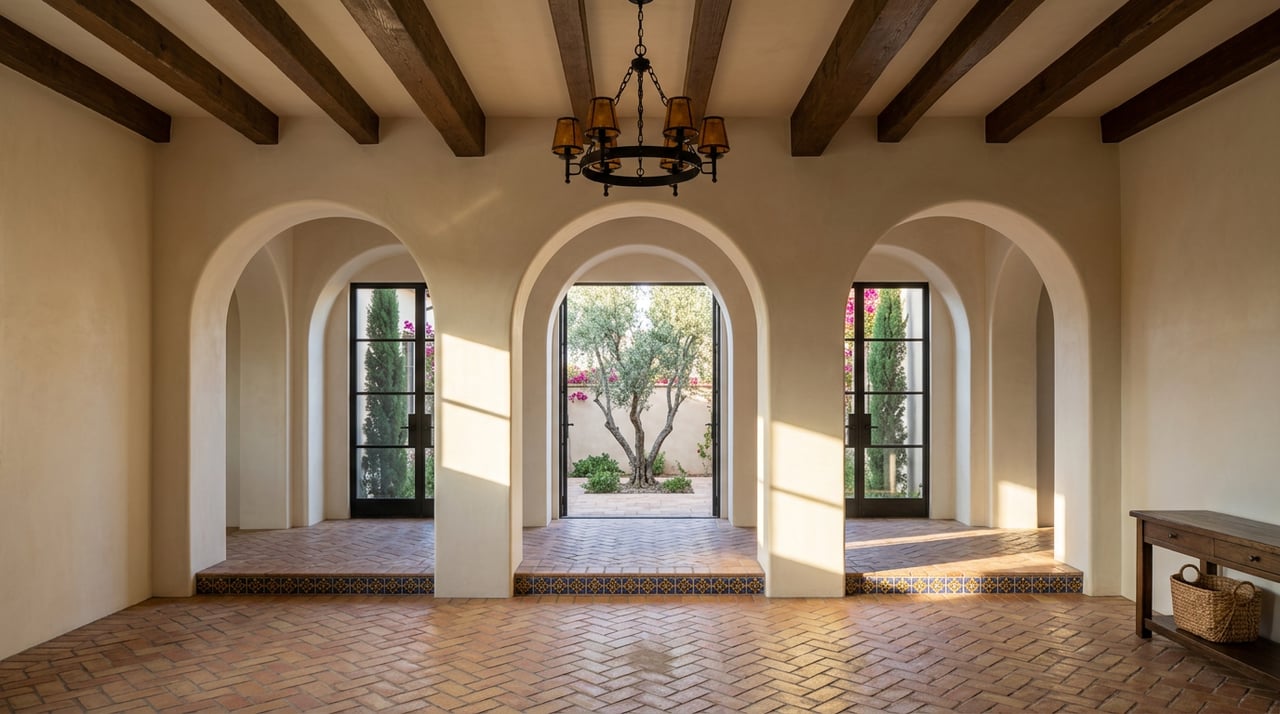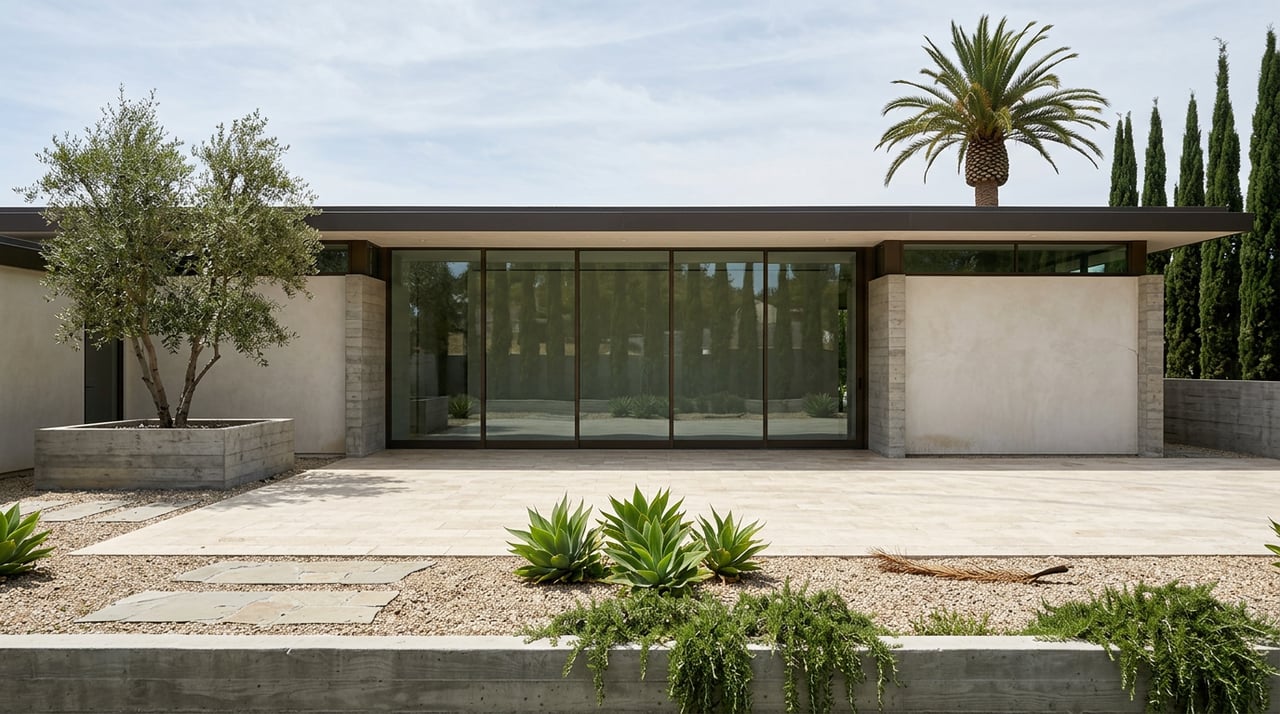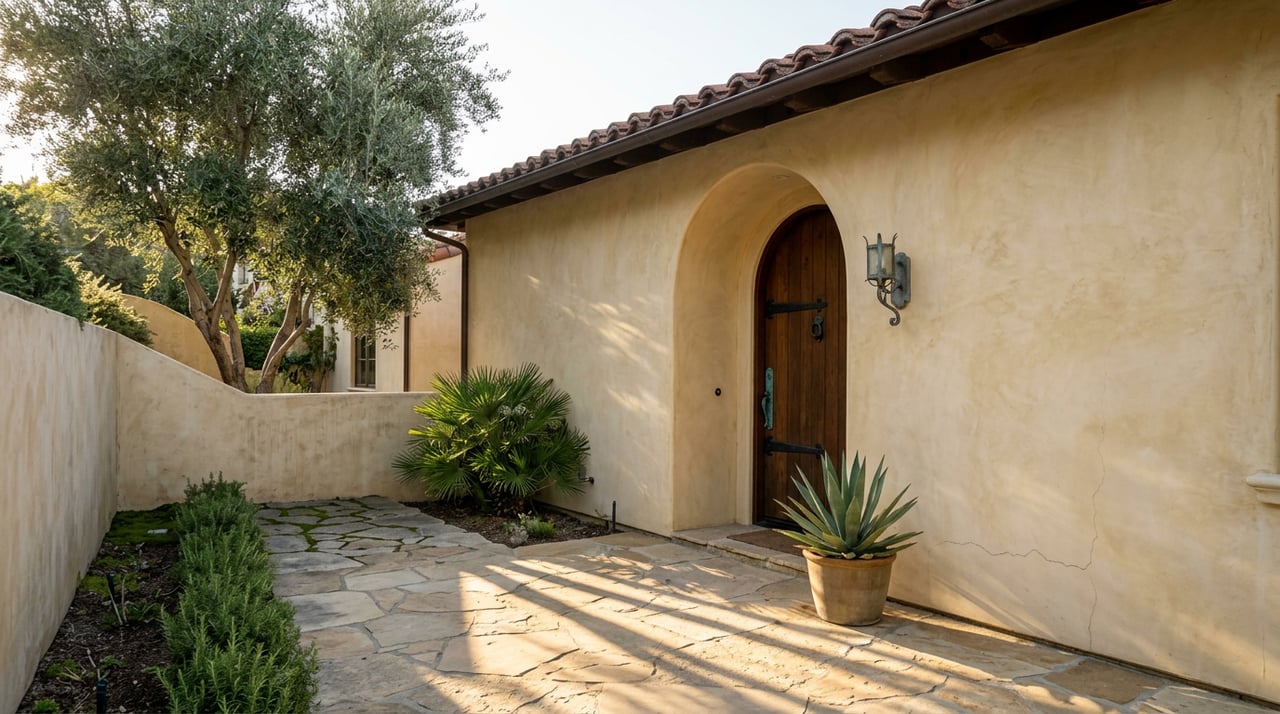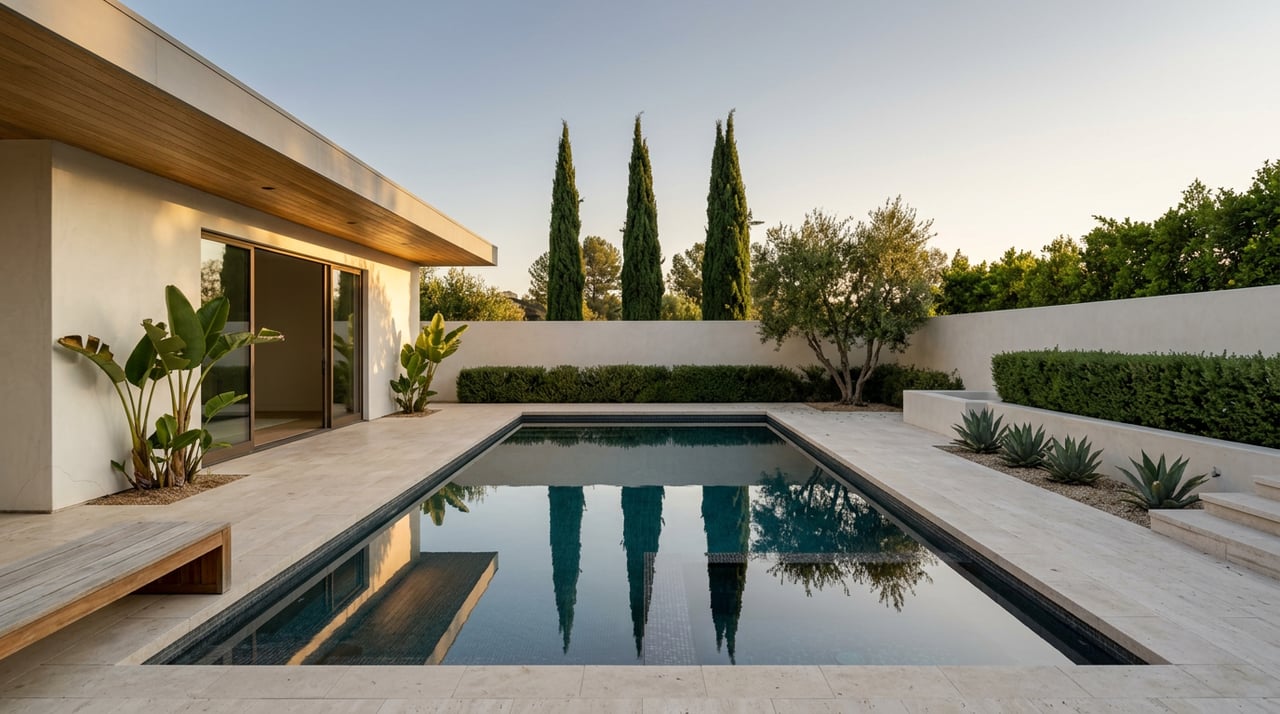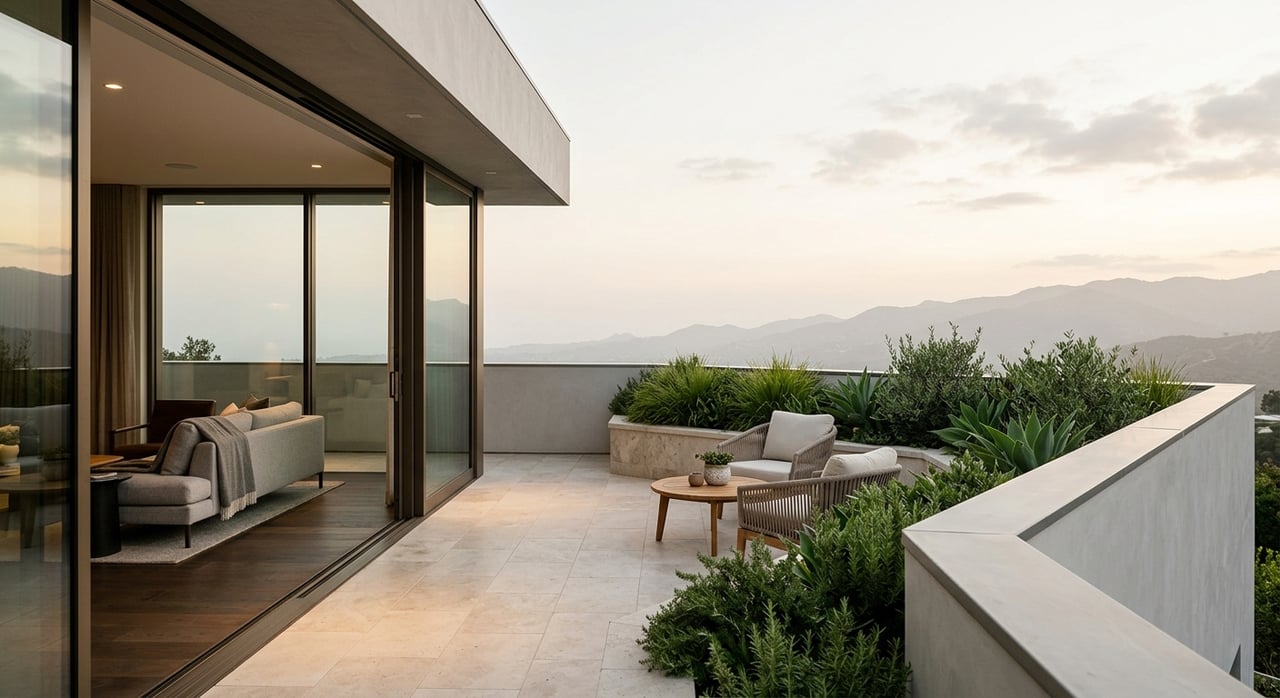
If you are looking along Mulholland, one question tends to shape everything else: do you care most about privacy, views, or everyday access? On this corridor, those three goals often pull in different directions, and the right answer depends on how you actually want to live in the home. The good news is that once you understand how the area is planned and how the streets function, your search becomes much clearer. Let’s dive in.
Why Mulholland Comes With Trade-Offs
Mulholland is not just a scenic road lined with impressive homes. It sits within a city-designated scenic parkway corridor that spans several community plan areas, including parts of Hollywood, Bel Air-Beverly Crest, Brentwood-Pacific Palisades, Encino-Tarzana, and Sherman Oaks-Studio City-Toluca Lake-Cahuenga Pass.
That planning framework matters because the city’s goals are specific. Mulholland is intended to remain a slow-speed, low-intensity roadway that preserves scenic resources, protects residential character, and minimizes driveway and private-street access into the right-of-way. In other words, the qualities that make the corridor special also create the very trade-offs buyers feel on the ground.
For you as a buyer, that means a beautiful lot is only part of the story. Future remodel potential, street visibility, and daily driving patterns can all be affected by the corridor’s overlay rules and review paths.
Start With Your Top Priority
Before you compare homes, decide which of these matters most in your day-to-day life:
- Privacy if you want distance from the street, screening, and a more tucked-away feel
- Views if your main goal is dramatic sightlines from living spaces and outdoor areas
- Access if easy ingress, egress, and practical daily circulation matter most
Many Mulholland buyers want all three. In practice, the strongest matches usually come from choosing one as your lead priority and treating the other two as secondary.
Privacy on Mulholland
Privacy tends to be strongest where a lot sits back from the road, has mature vegetation, or benefits from topography that limits sightlines from the street. Along Mulholland, that can matter more than square footage or even frontage because visibility is such a defining part of the corridor.
The city’s design guidelines reinforce this. Projects visible from Mulholland may require visibility studies, and the guidelines discourage building that extends into the viewshed. They also call for screening with native vegetation and design that blends into the site when a project is visible from the corridor.
Where Privacy Often Feels Stronger
A useful clue is Mulholland’s right-of-way width. The guidelines state that the right-of-way is 100 feet wide east of Laurel Canyon and 200 feet wide west of Laurel Canyon.
That does not mean every property west of Laurel Canyon is more private. Still, it can suggest a greater sense of buffer in some stretches, especially when the lot shape, slope, and landscaping work in your favor.
Hollywoodland offers another privacy example. Its planning framework emphasizes preservation of ridgelines, historical character, and safety access on narrow, winding streets. That often creates a secluded feel, but it also means privacy can be closely tied to road geometry and access constraints.
What Can Reduce Privacy
Not every hillside setting feels hidden. City historic-context research on the Boathouse homes near Woodrow Wilson Drive and Pacific View Drive describes steep, narrow lots with compact homes set close to the street and canyon-facing fronts that open to wide views.
That is a classic Mulholland-area trade-off. You may gain strong outlooks and elevation, but your street presence can feel much more immediate.
Best Fit for Privacy-First Buyers
If privacy is your main goal, focus on homes that offer:
- Greater setback from the right-of-way
- Mature screening or native landscaping
- Slope that reduces direct visibility
- Less exposure to public sightlines from Mulholland
It is also wise to ask early whether the parcel is visible from Mulholland and whether future additions could trigger planning review.
Views on Mulholland
Views are one of the corridor’s signature draws, but “a Mulholland view” is not one single thing. The specific plan is explicit that the area exists to preserve and enhance scenic resources and to ensure buildings preserve, complement, or enhance views from Mulholland Drive.
The plan also identifies fourteen major vista points with exceptional mountain, ocean, and city views for public use. That tells you something important: view quality changes significantly by segment, elevation, and orientation.
Why Views Need More Than a Pretty Panorama
A great view lot is not only about what you see today. It is also about how that view interacts with the corridor’s planning rules.
The design guidelines require viewshed analysis for projects visible from the Inner Corridor. They state that a project should not penetrate the viewshed unless it complements the view or receives a specific-plan exception. For buyers, that makes the long-term stability of the view part of the value equation.
Areas Where Views Often Lead the Conversation
Hollywoodland and adjacent eastern hillside areas are especially view-sensitive. The city’s plan language emphasizes ridgeline protection, and the Hollywood Community Plan identifies both Hollywoodland and the Mulholland Scenic Parkway as overlays.
That often supports the value of iconic ridgeline settings and broad outlooks. At the same time, it can mean tighter scrutiny if you later want to expand, rework, or build in a way that affects the visible profile of the property.
Best Fit for View-First Buyers
If views are your top priority, focus on:
- Clear sightlines from primary living areas
- Outdoor spaces that truly capture the panorama
- Elevation and orientation that support the desired outlook
- A realistic understanding of future review if you plan to add onto the home
The strongest view purchase is often the one where the current experience is excellent and your future plans are aligned with the corridor’s constraints.
Access on Mulholland
Access is usually the easiest priority to underestimate. A map may make a home look close to everything, but Mulholland is intentionally not designed to operate like a fast arterial.
The corridor’s own planning goals call for a slow-speed, low-volume, parkway-type setting. That means daily convenience depends less on the road name and more on how quickly you can reach major connectors and how the property’s own driveway or private street works in real life.
Why Access Varies So Much
In some parts of the Hollywood Hills, tourism adds a real layer of traffic pressure. City materials from Council District 4 note that tourism related to the Hollywood Sign creates congestion on narrow residential streets and has led to permanent fencing, traffic-control staffing, and studies of roundabouts and parking controls.
The same materials also note that visitors often try to get as close as possible to the sign, which places strain on nearby streets, parking, and turnaround areas. If your routine depends on easy arrivals and departures, that is not a small detail.
What Access-First Buyers Should Evaluate
If access matters most, pay close attention to:
- The route from the home to the nearest major connector
- Whether the approach relies on steep or narrow streets
- Tourist-sensitive conditions near the property
- Driveway geometry and ease of entry
- How the street feels during commute times and weekends
Touring a home twice can be especially helpful. One visit during a normal workday and another during peak weekend activity can reveal a very different reality.
Can You Get Privacy, Views, and Access?
Sometimes, yes. Usually, not at the highest level in all three categories.
On this corridor, the most balanced homes are often the ones where one feature is exceptional and the other two are solid but not perfect. That is not a weakness. It is simply how the Mulholland trade-off tends to work.
If you insist on maximizing every category, you may end up waiting a long time or paying a premium for a narrow set of opportunities. A more practical approach is to identify your non-negotiable and then define what “good enough” looks like for the other two.
A Simple Way to Rank Homes
When you tour Mulholland properties, use a short scorecard. It can help you separate emotional reaction from real fit.
Privacy Questions to Ask
- How visible is the home from the street?
- Is there meaningful setback or screening?
- Does the lot shape or slope create separation?
- Would future additions likely face more review because of visibility?
View Questions to Ask
- Are the best views from the rooms you will use most?
- Do outdoor areas actually capture the view well?
- Is the ridgeline or corridor context likely to affect future changes?
- Does the property offer lasting view value, not just a striking first impression?
Access Questions to Ask
- How easy is it to get in and out daily?
- Does the route depend on narrow or winding streets?
- Are there tourist or congestion pressures nearby?
- Is the driveway practical for regular use?
Why Local Guidance Matters Here
Mulholland rewards buyers who look beyond the photos. Two homes with similar price points can live very differently depending on visibility, viewshed sensitivity, route efficiency, and site geometry.
That is why micro-market knowledge matters so much in the Hollywood Hills. A focused, property-by-property read can help you understand not just what looks compelling online, but what will actually support your lifestyle and long-term plans.
If you are weighing a move along Mulholland Park or the surrounding Hollywood Hills corridor, Neal Baddin can help you compare the trade-offs with clarity and identify the homes that best match your priorities.
FAQs
How do privacy, views, and access usually compare on Mulholland?
- Most buyers find they can strongly optimize one or two of these priorities, but rarely all three at once.
Why is privacy different from one Mulholland property to another?
- Privacy often depends on setback, slope, vegetation, and how visible the home is from Mulholland or nearby streets.
Why should Mulholland buyers care about viewshed rules?
- The corridor includes planning protections for scenic resources, so visibility and future additions can affect what changes are possible on a property.
How should a buyer evaluate access in the Mulholland corridor?
- You should look at real driving conditions, including major connectors, narrow streets, driveway function, and peak tourism or weekend congestion.
Are eastern Mulholland-area homes more focused on views?
- In many eastern hillside areas, ridgeline setting and view preservation play a major role in the property experience and planning context.
What is the best first step when buying near Mulholland Park?
- Start by choosing your lead priority, then evaluate each home based on how well it balances the other two factors.