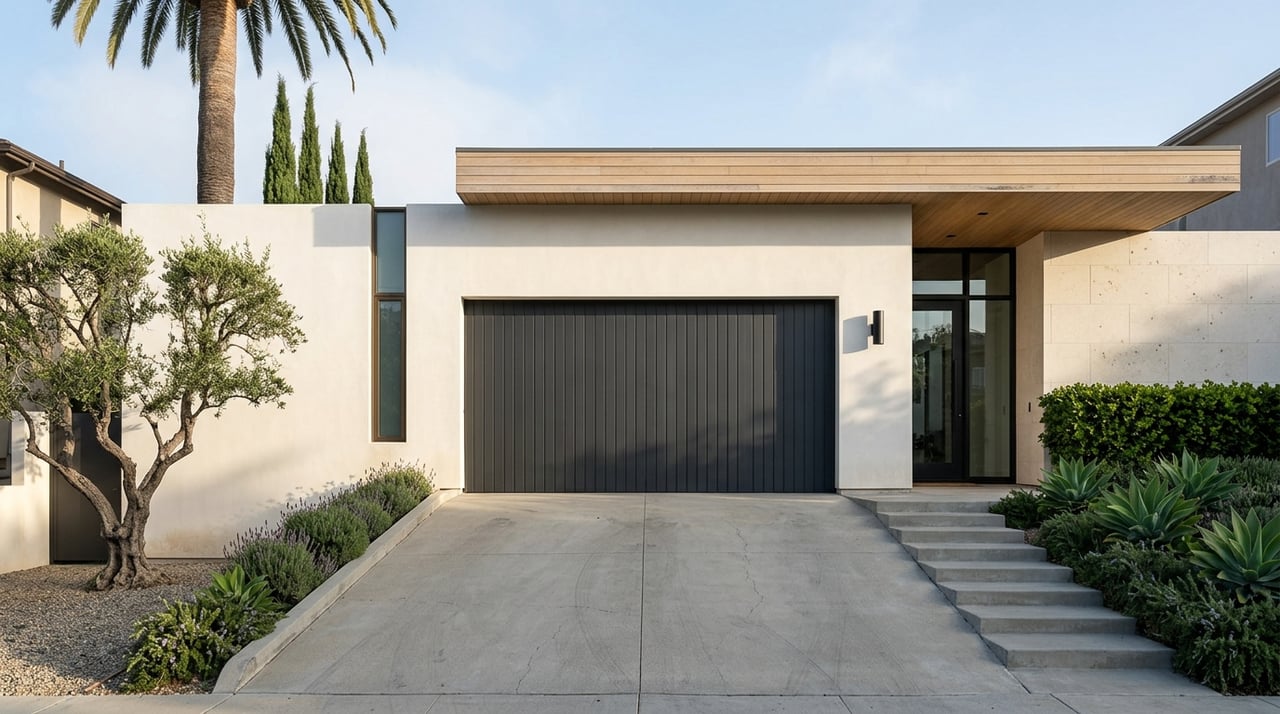
If you’re relocating to Los Angeles, choosing the right hillside pocket can shape your entire day-to-day experience. The Mulholland and Woodrow Wilson corridor offers a very specific version of LA living: more privacy, more scenery, and faster access to parks and studio-adjacent areas than many buyers expect. If you want a clear picture of what life here is actually like, this guide will walk you through the tradeoffs, advantages, and practical details that matter most. Let’s dive in.
Where Mulholland and Woodrow Wilson Sit
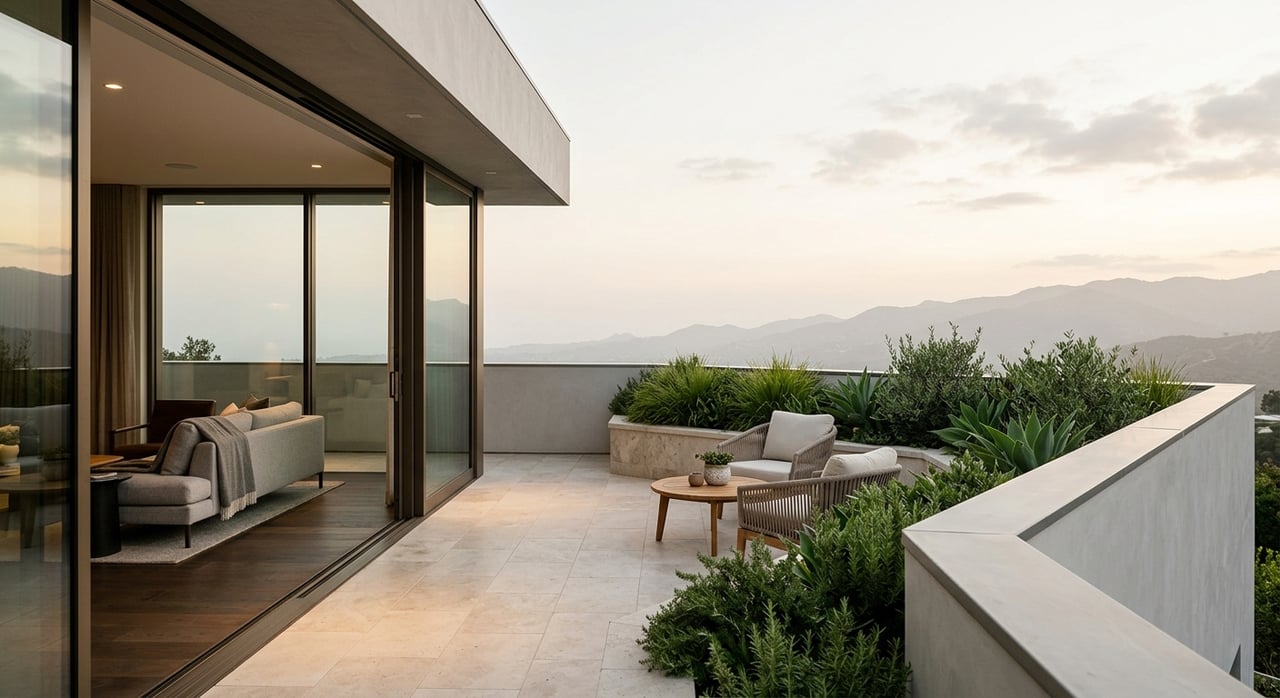
The Mulholland and Woodrow Wilson pocket sits within Hollywood Hills West and is best understood as a scenic hillside corridor rather than a traditional neighborhood with a flat street grid. The area is specifically referenced in the Hollywood Hills West neighborhood council bylaws as part of the Briar Summit, Woodrow Wilson, and Mulholland Drive area, and it also falls within the Mulholland Scenic Parkway Specific Plan.
For relocation buyers, that matters because this is not a main-street environment. Instead, you’re looking at a residential, hillside setting positioned between the Valley side and central Hollywood, with a geography that feels tucked away while still connected to major parts of Los Angeles.
What Daily Life Feels Like
The biggest thing to know is that daily life here tends to feel residential and car-oriented. Based on the area’s scenic-parkway overlay, canyon-road layout, and park-heavy surroundings, the lifestyle is less about walking to shops and more about driving to nearby commercial nodes for errands and services.
That tradeoff is often the appeal. In this corridor, you’re generally choosing privacy, hillside views, and a quieter setting over immediate convenience density. For many relocation buyers, especially those coming from denser urban markets, that distinction is important to understand upfront.
Why Buyers Choose This Corridor
For many buyers, the main lifestyle payoff is simple: hillside privacy with strong access to outdoor recreation and key employment centers tied to Hollywood, Universal City, Studio City, and Burbank. The setting feels removed from the city’s intensity, but not disconnected from it.
This area can make particular sense if you want a home base that feels scenic and residential while still keeping you relatively close to entertainment-industry hubs. It is also a natural fit for buyers who value canyon and hillside topography over walkability.
Parks and Recreation Nearby
One of the strongest lifestyle benefits here is proximity to some of LA’s most recognizable outdoor destinations. Griffith Park offers more than 4,210 acres and includes trails, picnicking, golf, tennis, horseback riding, and the zoo. That kind of large-scale recreation access is hard to overstate when you’re choosing where to live in Los Angeles.
You’re also near Runyon Canyon, a 134-acre regional park stretching from Hollywood to Mulholland Drive. Nearby cultural landmarks also shape the lifestyle equation, including the Griffith Observatory and the Hollywood Bowl, which sits within an 88-acre county park setting.
The Traffic Reality
The most important practical consideration is time-of-day traffic. In hillside Los Angeles, short distances on a map do not always translate to quick drives.
Canyon roads, school drop-offs, park visitors, event nights at the Hollywood Bowl, and spillover traffic near Runyon Canyon can all affect how the area functions. The City’s Runyon Canyon materials note heavy visitor traffic and parking spillover on nearby residential streets, so it’s smart to think about your real schedule, not just the map.
Commuting From the Area
By geography, this corridor is often a strong fit for people commuting to Hollywood, Universal City, Studio City, Burbank, and other Valley-side entertainment and creative employment centers. That is based on the area’s location in Hollywood Hills West and its relationship to nearby landmarks and studio-adjacent districts.
Downtown Los Angeles is also accessible, but it is more of a traditional cross-town commute. In other words, this location tends to feel more naturally aligned with Hollywood and the Valley than with Westside or downtown-centered routines.
Which Airport Is Most Convenient?
For frequent domestic travel, Hollywood Burbank Airport is usually the easiest airport to consider first. According to Hollywood Burbank Airport, BUR is the closest LA-area airport to most major tourist destinations and is served by seven commercial airlines.
Its own travel guide lists drive times of 16 minutes to Universal Studios Hollywood, 17 minutes to the Hollywood Bowl, 21 minutes to Hollywood & Highland, and 23 minutes to Downtown LA. For many relocation buyers in this corridor, BUR is the airport that feels most practical for regular use.
When LAX Makes More Sense
For international travel and broader long-haul options, LAX is still the main gateway. According to Los Angeles World Airports, LAX is the sixth-largest airport in the United States and serves more than 200,000 guests daily.
That scale comes with tradeoffs. For this part of LA, LAX is usually the airport you plan around rather than the one you use casually. If you fly internationally often, that may be perfectly workable, but it helps to go in with realistic expectations about timing and congestion.
Backup Transit Options
Most residents in this corridor will still rely heavily on driving, but there are backup transit options worth knowing about. LAWA’s transit information includes FlyAway service to LAX from Van Nuys and Union Station, while BUR also offers access to BurbankBus, Amtrak, and Metrolink connections.
If private aviation matters to your lifestyle, Van Nuys Airport is also a notable regional asset. LAWA describes it as one of the world’s busiest general aviation airports and highlights its proximity to business, recreation, and entertainment centers.
Schools Require Address Verification
If schools are part of your relocation checklist, the most important rule is to verify by exact property address. In this area, school planning is not simple enough to assume based on a neighborhood name alone.
For example, Valley View Elementary states that students wishing to attend must live within its attendance area. That is why buyers should confirm current eligibility directly before making any decision tied to school assignment.
Nearby Public School Options
Nearby LAUSD campuses referenced in this area include Valley View Elementary at 6921 Woodrow Wilson Drive, Wonderland Avenue Elementary and Gifted Magnet at 8510 Wonderland Avenue, and John Marshall High School at 3939 Tracy Street. Valley View identifies itself as a TK-5 school in the Hollywood Hills serving both neighborhood-boundary students and citywide students.
Wonderland Avenue Elementary and Gifted Magnet describes itself as a TK-5 campus in the Hollywood Hills above Los Angeles, with both neighborhood-school and citywide magnet components. John Marshall High School reports a 94% graduation rate and 20 AP courses on its official site.
Private School Access
For buyers considering private school options, this part of the hills also has practical access to well-known campuses outside the immediate corridor. Campbell Hall is located in Studio City, and Harvard-Westlake has campuses on Faring Road and Coldwater Canyon Avenue.
These schools are not within the Mulholland and Woodrow Wilson pocket itself, but they are close enough to be part of a realistic weekday planning map for some households. As with commute timing, it helps to evaluate access based on your actual schedule.
Errands and Everyday Convenience
This is not the kind of LA neighborhood where you should expect a dense cluster of shops and restaurants right outside your door. The immediate streets are predominantly residential, so many errands will involve driving to nearby commercial areas.
That can feel like a downside if you prioritize walkability above all else. But for many buyers, it is part of the value equation: less retail immediacy in exchange for a more secluded residential feel, stronger privacy, and scenic hillside character.
How It Compares to Other LA Luxury Areas
Compared with Beverly Hills or West Hollywood, this corridor is generally less walkable and less retail-oriented. At the same time, it offers a more secluded hillside setting and a stronger sense of scenic topography.
Compared with Bel Air and Beverly Crest, the environment is similarly canyon- and hill-driven, but the commute orientation is different. Mulholland and Woodrow Wilson often align better with Hollywood, studio, and Valley access, while Bel Air tends to orient more toward the Westside. Compared with Brentwood or Pacific Palisades, this corridor is less coastal and more closely tied to entertainment-industry geography.
Who This Area Fits Best
This corridor can be a strong match if you want a scenic, residential setting with access to major LA landmarks and entertainment employment hubs. It often appeals to buyers who value privacy, views, recreation, and a quieter home environment more than a walk-to-everything lifestyle.
It may be less ideal if your top priority is immediate retail convenience or a highly predictable traffic pattern. The best way to think about it is as a location that rewards buyers who understand hillside living and want the specific lifestyle that comes with it.
Final Thoughts for Relocating Buyers
If you’re considering Mulholland and Woodrow Wilson, the key is to evaluate the area through the lens of your actual routine. Think about where you work, which airport you’ll use most, how often you want quick park access, and whether you’re comfortable with a car-dependent layout.
For the right buyer, this part of the Hollywood Hills offers a compelling mix of privacy, scenery, and access to the Hollywood and Valley orbit. If you want tailored guidance on hillside micro-markets and a sharper read on which streets and pockets best fit your lifestyle, Neal Baddin can help you navigate the search with local clarity.
FAQs
What is the Mulholland and Woodrow Wilson area like for daily living?
- It generally feels residential, scenic, and car-dependent, with more emphasis on privacy, views, and park access than walkable retail convenience.
Which airport is easiest from Mulholland and Woodrow Wilson?
- For frequent domestic travel, Hollywood Burbank Airport is usually the most convenient option for this corridor.
Is LAX practical from the Mulholland and Woodrow Wilson corridor?
- Yes, especially for international flights, but it usually requires more planning and time than BUR.
Are school assignments simple in the Mulholland and Woodrow Wilson area?
- No. School planning is address-specific, so you should verify school eligibility directly for any property you are considering.
Is the Mulholland and Woodrow Wilson corridor walkable?
- In most cases, no. The area is better understood as a residential hillside corridor where most errands are handled by car.
What is the main benefit of living near Mulholland and Woodrow Wilson?
- The biggest draw is a blend of hillside privacy, scenic character, recreation access, and relatively strong connectivity to Hollywood, Studio City, Burbank, and other nearby employment hubs.