What if two homes on the same street in 90068 are worth very different amounts? In the Hollywood Hills, that happens often. Canyon pockets change price, buyer demand, and days on market over short distances. If you are buying or selling here, ZIP-level averages can lead you astray.
This guide explains what a canyon micro-market is, why it matters in 90068, and how to use it to your advantage. You will learn which factors move value, what data to pull, and the due diligence steps that help you price or purchase with confidence. Let’s dive in.
What a canyon micro-market is in 90068
A canyon micro-market is a very small, topography-defined pocket where buyers behave differently and prices follow their own pattern. In 90068, these pockets often align with a single canyon drainage, a named hillside street, or a cluster of lots with similar slope, views, and access.
Key takeaway: two homes one block apart can live in different micro-markets. That split can change price per square foot, days on market, and the buyer pool.
Why the Hollywood Hills create micro-markets
Topography and slope
Steep lots reduce usable outdoor space, complicate additions, and raise construction costs due to grading and engineering. Hillside homes often rely on retaining walls, caissons, and specialized foundations, which increase replacement costs and affect perceived value. As a buyer, you should consider driveway slope, delivery access, and whether you need geotechnical and slope stability inspections.
Useful mapping sources include USGS, LA City and County GIS, and elevation tools like Google Earth. For local slope and elevation layers, the City’s interactive map is a strong starting point. You can explore street networks and terrain through the City’s platform at the NavigateLA map portal.
Access, circulation, and parking
Many canyon streets are narrow or single-access. That can limit the buyer pool to those comfortable with steep, winding roads or those who prize seclusion. On-street parking rules, tight turning radii, and limited flat parking can be deal breakers for some buyers with multiple vehicles or frequent visitors. Emergency access standards also influence insurance and permitting expectations.
You can review local street classifications and parking rules through LA City resources, then visit the area during peak travel periods to see the real-world impact.
Views, solar exposure, and microclimate
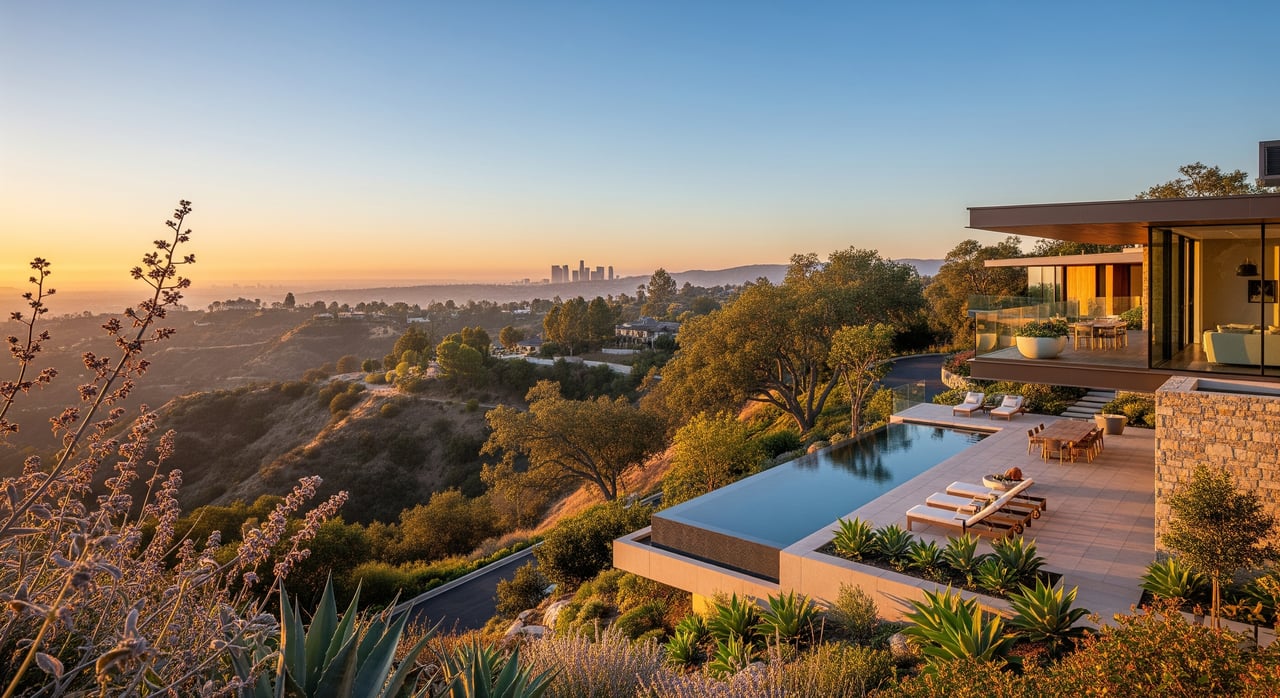
View corridors vary widely. City lights and ridge or ocean views often command premiums. Tree-lined canyon views can appeal to buyers who value privacy over skyline. Microclimate also shifts by elevation and orientation. Canyon bottoms are typically cooler and more shaded, while ridgelines are sunnier and wind-exposed.
The result is that identical square footage can yield different outcomes based on view clarity, orientation, and privacy.
Architecture, lot form, and usable area
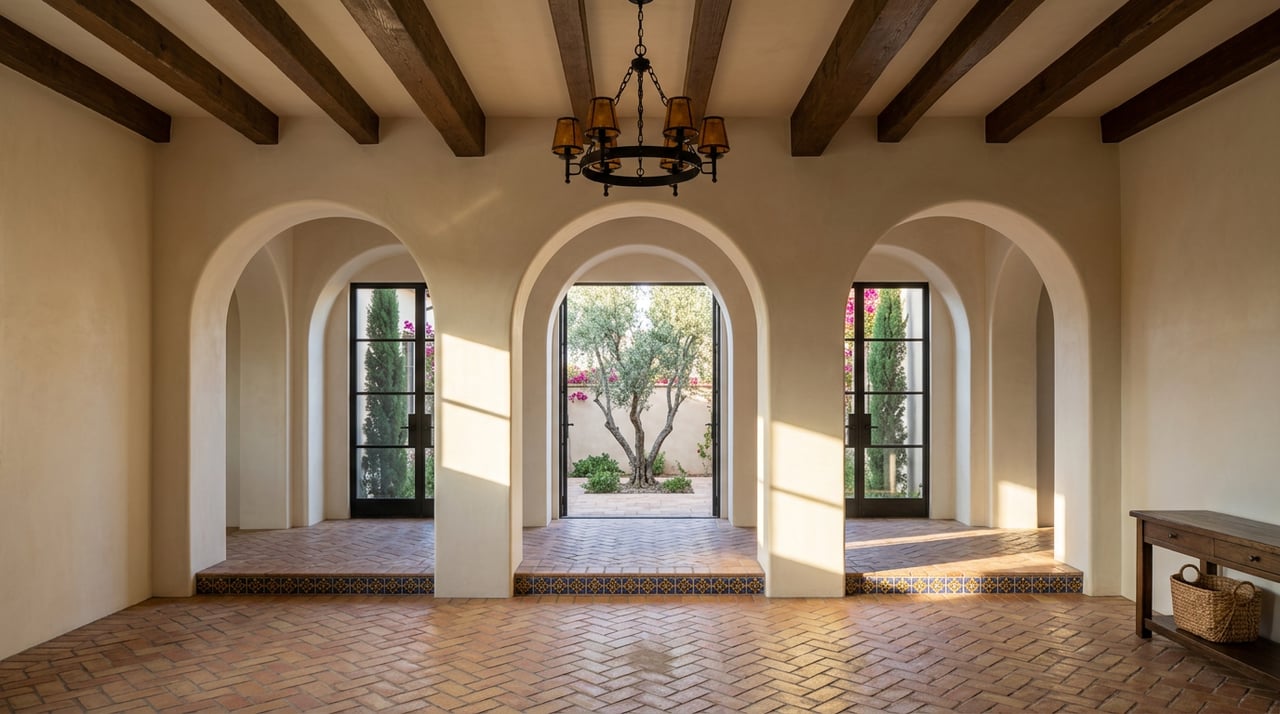
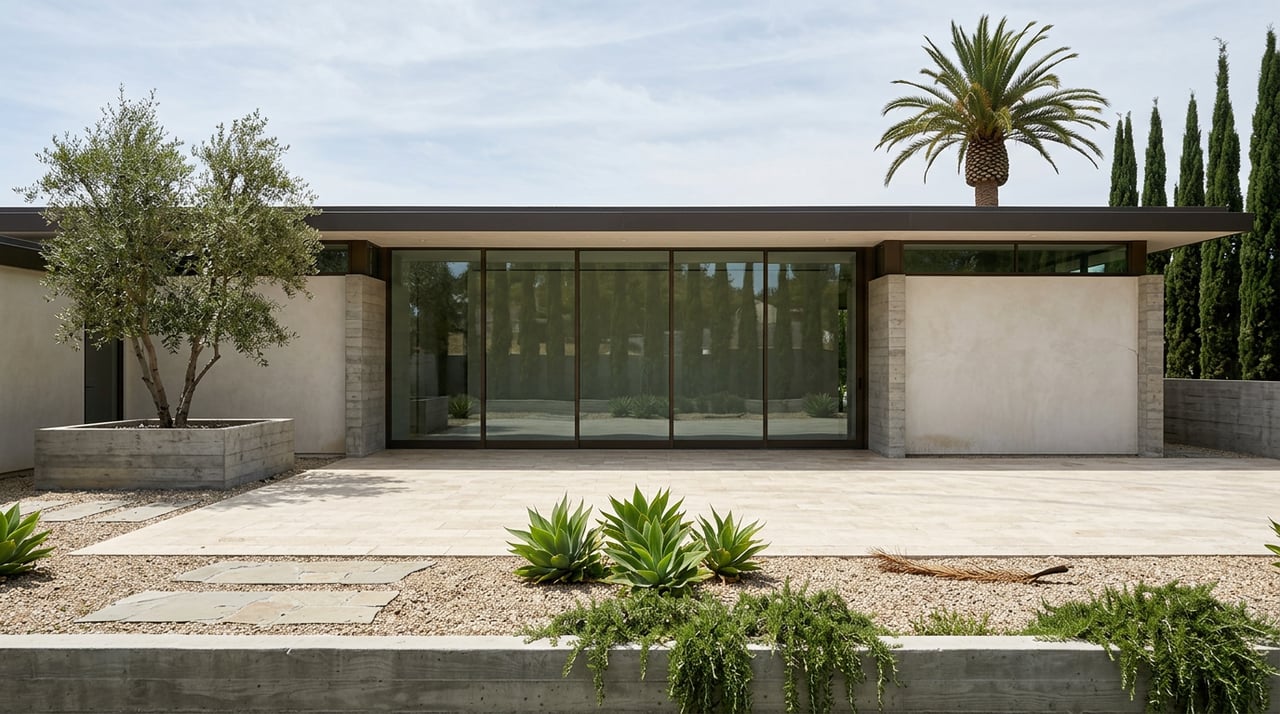
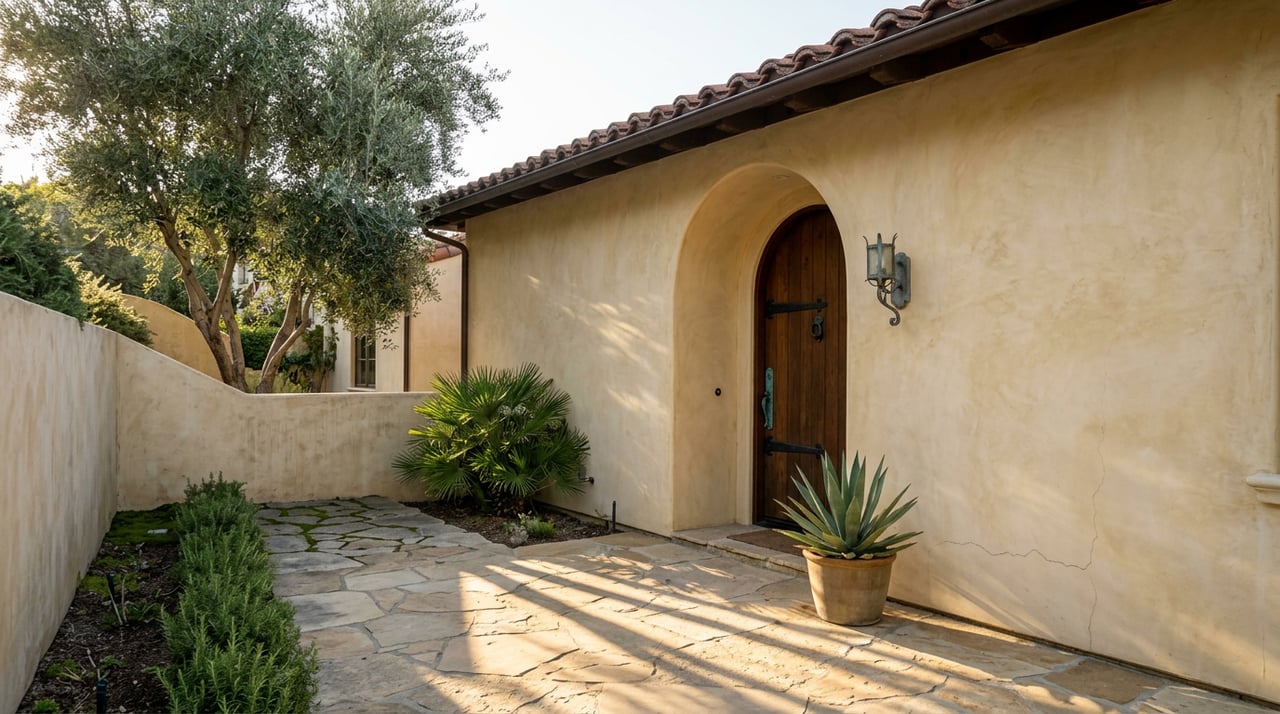
You will find a mix of mid-century hillside homes, Spanish and traditional bungalows on flatter pockets, and newer modern rebuilds on pads and ridgelines. Lot geometry matters. Terraced lots and narrow frontages can limit perceived usable space and parking. Architectural provenance and quality of design can attract niche buyers who pay for authenticity or pedigree.
Risk factors: fire, geology, and insurance
Many Hollywood Hills canyons fall within Very High Fire Hazard Severity Zones. That can affect available carriers, premiums, and requirements for defensible space and hardening features. Steep slopes also bring landslide and erosion considerations that both buyers and underwriters watch closely.
To check wildfire designation, review the CAL FIRE Fire Hazard Severity Zone maps. For local brush clearance requirements, see the LAFD Brush Clearance guidelines. Buyers should plan to contact insurers early to confirm coverage options and likely retrofits.
Local services and neighborhood identity
Canyon pockets vary in proximity to major streets, studios, and grocery options, which can influence a buyer’s daily life and commute. Noise exposure also shifts based on distance and orientation to Hollywood Boulevard, Sunset, and freeways. Some streets carry entertainment cachet, while others feel more low-profile. These signals shape which buyer pools will engage and how large they are.
How micro-markets change pricing and speed
The Hollywood Hills reward precision. Micro-markets often show distinct patterns in:
- Price per square foot and median sale price
- Days on Market and sale-to-list ratio
- Inventory depth and turnover
- Lot size and slope indicators
- Year built, last remodel date, and near-term capital needs
- Zoning and ADU or expansion potential
At the ZIP level, a few trophy sales can distort averages. On steep or terraced lots, price per square foot can also be misleading when “usable” interior and outdoor space differs from gross measurements. The most reliable view comes from MLS data filtered to the same canyon or adjoining blocks, paired with parcel records and on-the-ground checks.
For parcel details like lot size and year built, use the LA County Assessor’s Parcel Viewer. For permits and grading records, search the Los Angeles Department of Building and Safety permit database.
Two quick case examples
Case 1: Ridge view vs. shaded canyon pocket
Two homes sit a few turns apart off the same main road. One is on a ridgeline pad with wide city-light views and good sun. The other rests lower in the canyon with filtered greenery views and more shade. The ridge home draws design-forward buyers prioritizing light and view clarity. The canyon home appeals to privacy-minded buyers who trade view premium for seclusion. Marketing and pricing that target these distinct audiences tend to shorten time on market.
Case 2: Single-lane access vs. easier circulation
A home on a narrow, single-lane hillside street has limited parking and tight turning space. Another nearby home sits on a wider street with better guest parking and service access. The first property’s buyer pool is smaller and more niche. The second attracts a broader set of showings. In this scenario, the right strategy is either to lean into the niche and showcase the property’s privacy and design strengths or price more broadly to expand demand.
What buyers should do in 90068
On-the-ground checks
- Visit at rush hour, mid-day, and late evening to feel traffic flow and noise.
- Test the approach with a larger vehicle or moving truck to evaluate turns and driveway slope.
- Observe parking rules and overnight restrictions on the block.
- Listen for environmental noise from major corridors and nightlife.
Technical due diligence
- Request any geology or geotechnical reports, foundation records, and grading permits.
- Verify lot slope, elevation, and usable flat yard area with City/County GIS tools. Start with the NavigateLA map portal for terrain and street layers.
- Review wildfire designation on the CAL FIRE hazard maps and brush rules from LAFD Brush Clearance.
- Contact insurers early to understand coverage, premiums, and potential retrofit requirements.
Records and permits
- Confirm additions and past work through the LADBS permit search.
- Check parcel dimensions, year built, and taxable records via the LA County Assessor’s Parcel Viewer.
- Ask about any easements or shared access common to private drives.
Market validation
- Pull comparable sales limited to the same canyon or immediately adjacent streets for the last 6 to 24 months.
- Focus on view type, slope, access, usable yard, and quality of construction when comparing price per square foot.
What sellers should do in 90068
Define the right comp set
Use your specific canyon and adjacent blocks as the comp universe. Match slope, access, view orientation, and quality of improvements. Avoid relying on ZIP-level averages that include different micro-markets.
Choose a buyer strategy
Decide if you want to cast a wider net or lean into a niche. You can price to attract more buyers or price for a smaller pool that pays a premium for privacy, views, and design. The right choice depends on your property’s micro-market strengths.
Document and de-risk the sale
Proactive disclosure builds confidence. Highlight engineering, geotechnical, drainage, and fire-hardening work. If recent, include permits and contractor documentation. Pre-list inspections, especially for roofs, drainage, and hillside conditions, can reduce buyer uncertainty and shorten time on market.
Elevate the presentation
Hillside properties benefit from editorial storytelling that communicates view lines, privacy, and access tradeoffs. High-caliber photography and floor plans help buyers understand usable space. If zoning or ADU potential applies, note it clearly with source references to City or County resources.
Tools and maps to ground your decisions
- City terrain and parcel context: Explore slope, streets, and nearby features on the NavigateLA map portal.
- County parcel details: Confirm lot size, year built, and boundaries via the LA County Assessor’s Parcel Viewer.
- Permits and grading: Verify past permits and status through LADBS permit search.
- Wildfire designation: Check Very High Fire Hazard Severity Zone boundaries using CAL FIRE’s FHSZ maps.
- Neighborhood context: Review boundaries and reporting on local areas with the Los Angeles Times Mapping L.A. resource.
Work with a micro-market advisor
In 90068, success comes from precision. The right advisor will filter comps to your canyon, weigh slope and access correctly, and craft a narrative that reaches the most likely buyers. If you are buying, that same expertise protects you from surprise costs and helps you focus on properties that truly fit your life.
If you want a canyon-specific valuation, a tailored buyer plan, or a thoughtful marketing strategy, connect with Neal Baddin. You will get hands-on guidance backed by deep local knowledge and premium marketing reach.
FAQs
Why do two nearby 90068 homes differ by 20 to 30 percent?
- Differences in view, slope, access, parking, usable yard, and wildfire or geologic exposure can change buyer demand and perceived costs, which leads to large price gaps over short distances.
How do appraisers treat canyon properties in 90068?
- Appraisers typically choose comps from the same or a very similar canyon and adjust for view, slope, access, yard usability, and construction quality, often with narrative support when sales are limited.
Will insurance be harder to secure for Hollywood Hills canyon homes?
- It can be, especially in Very High Fire Hazard Severity Zones; plan to consult insurers early to confirm coverage options, premiums, and any required retrofits like defensible space or hardening.
Are canyon homes in 90068 harder to sell than other areas?
- Not inherently; they attract specific buyer pools, so correct pricing and niche-focused marketing can shorten days on market, while broad pricing that ignores micro-market realities can slow results.