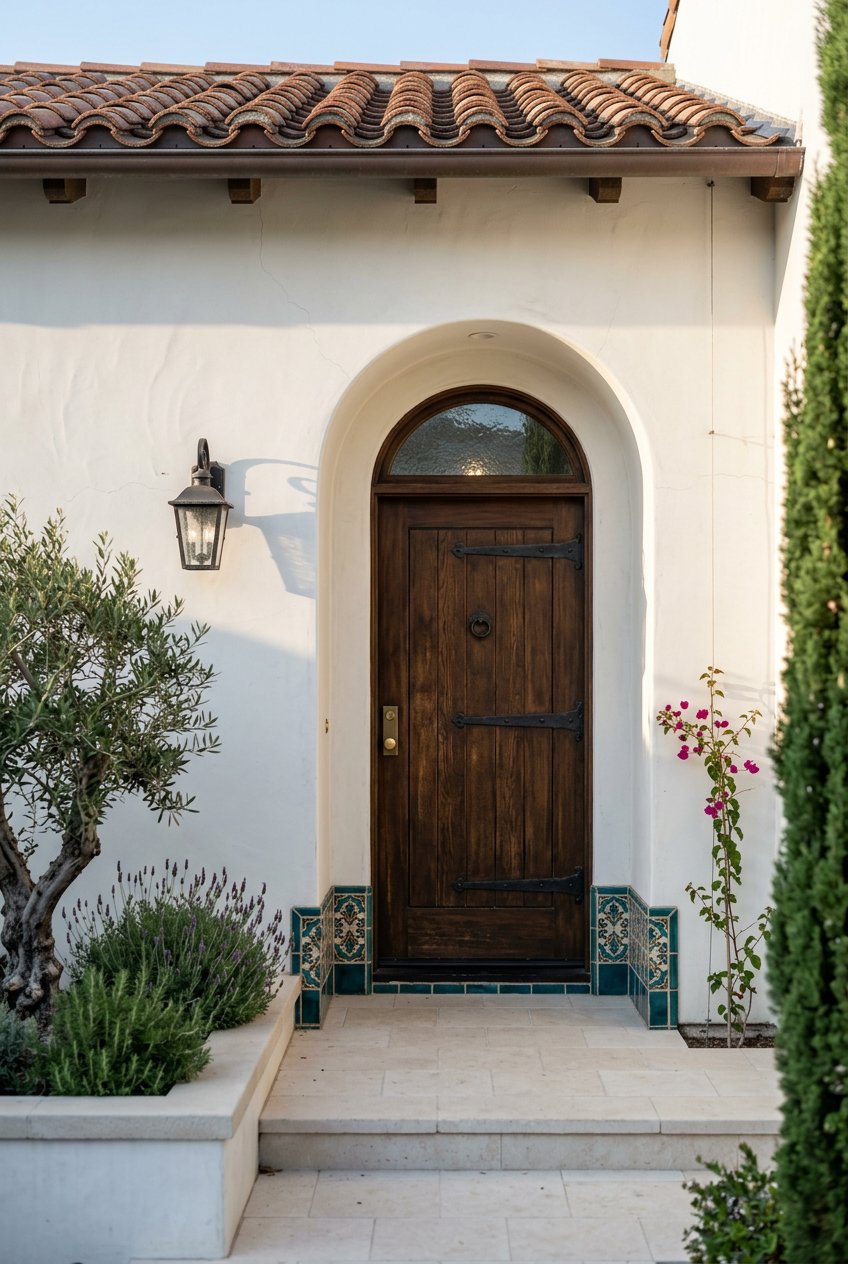
What gives Outpost Estates its timeless look and why does it matter when you buy or renovate in 90068? If you love tile-lined staircases, arched entries, and sunlit courtyards, you’re in the right place. This guide shows you where that character comes from, how it’s protected, and what to know before you change a single window or roof tile. You’ll come away with a clear roadmap, from understanding styles to navigating permits and incentives. Let’s dive in.
Outpost Estates at a glance
In the 1920s, developer Charles E. Toberman shaped Outpost Estates as a luxury hillside enclave and famously promoted it with a large neon “OUTPOST” sign that once glowed over the canyon. You can explore the neighborhood’s early story and marketing vision in the local history overview. The compact district clusters around Outpost Drive just east of Runyon Canyon and includes roughly 400 to 500 parcels.
City preservation work has recognized the area’s historic cohesion. The City’s SurveyLA identified the “Lower Outpost Estates Residential Historic District,” with a period of significance centered in the mid to late 1920s, and documented contributing properties in that tract. See the SurveyLA Hollywood survey for the official context.
Styles that define the neighborhood
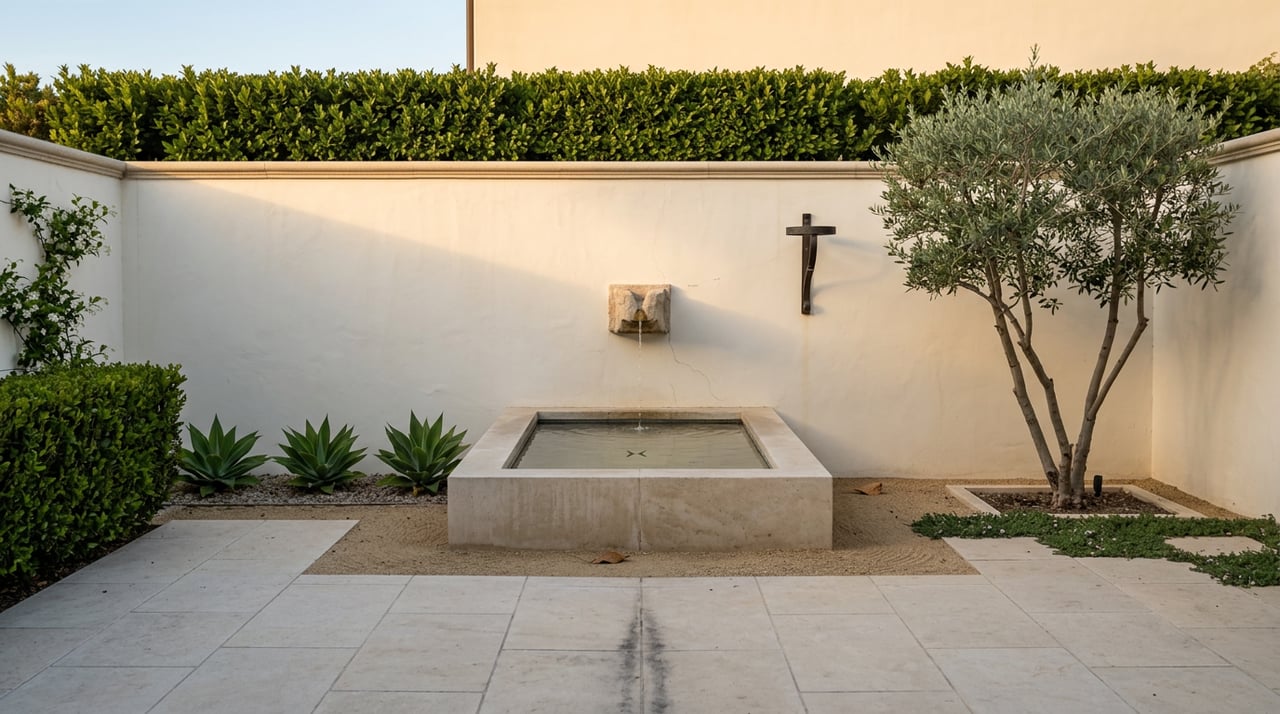
Outpost Estates is dominated by Period Revival architecture from the late 1920s and early 1930s. The headline styles are Spanish Colonial Revival and Mediterranean Revival, which the City’s surveys describe across this part of the Hollywood Hills. Hallmark features include:
- Smooth or lightly scored stucco walls
- Low-pitched roofs with red clay tile
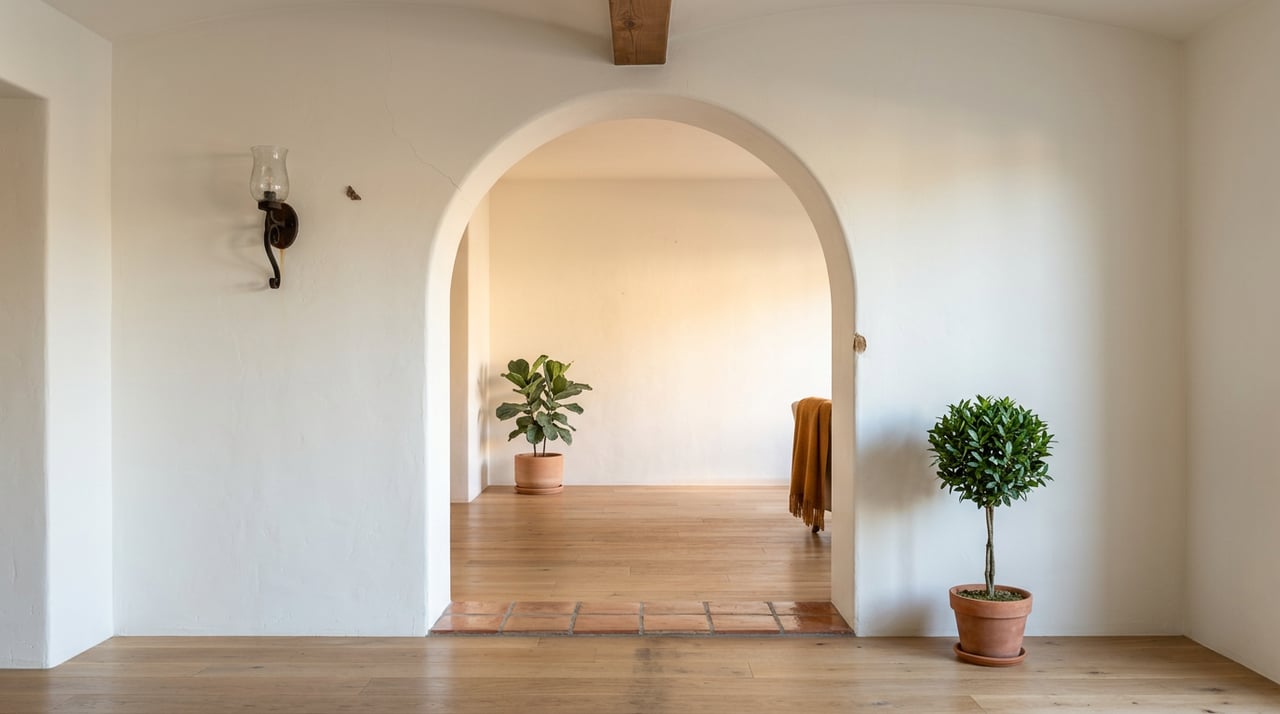
- Arched doors and windows, arcades, and loggias
- Courtyards, terraces, and garden-forward entries
- Decorative tile at stair risers, floors, and fireplaces
- Wrought-iron grilles, balconies, and railings
- Shaped chimneys, deeply recessed openings, and stone retaining walls
Preservation professionals call these “character-defining features,” the elements that convey architectural significance and guide any review or restoration. For examples of how the City documents them, see the HCM nomination staff report for the Dolores Del Rio Residence.
A landmark example on Outpost Drive
High-profile restorations show how to balance period romance with modern living. A recent case at 1851 Outpost Drive kept fresco-like ceilings, arched passages, original woodwork, and artisan tile while upgrading systems and finishes for today. It is a helpful case study in sensitivity and craft. You can see the approach in this design feature on the restoration.
What “historic character” means for you
“Historic character” is the sum of a property’s visible features, materials, and spatial relationships that communicate its era and style. In Outpost Estates, that usually means the façade, roof forms and tiles, original windows and doors, courtyards, and front landscaping. These are the pieces reviewers look at first because they shape what you experience from the street. The City’s evaluation materials and HCM reports outline how these features are identified and weighed; the Dolores Del Rio HCM staff report offers a clear snapshot of that process.
Buyer checklist before you write an offer
Use this quick, practical checklist to reduce surprises and protect value:
- Confirm designation status. Check City resources like SurveyLA or the Office of Historic Resources to learn if the property is a documented contributor, eligible resource, or a designated Historic-Cultural Monument. Outpost’s lower portion has a recognized historic district in SurveyLA; see the SurveyLA Hollywood survey for details.
- Review permits and look for unpermitted work. Roofs, windows, additions, electrical, and plumbing are common areas to double-check. Unpermitted changes can affect value and may require corrective work during or after escrow.
- Get inspections from pros who know older LA homes. Order thorough inspections covering foundation, roof framing, chimneys, drainage, and wood-destroying organisms. For structural or seismic questions, engage an engineer familiar with the California Historical Building Code, which allows alternative compliance for historic buildings.
- Ask about incentives and obligations. Some homes may have or be eligible for a Mills Act program in Los Angeles, which can reduce property taxes in exchange for approved preservation work.
- Build a realistic restoration budget. Original plaster, artisan tile, and period windows often merit repair rather than replacement. The NPS Preservation Briefs offer practical guidance for windows, masonry, tile, and energy improvements.
Value and market context in 90068
Buyers in Los Angeles often pay a premium for homes with well-preserved architecture and assurance that nearby changes will respect neighborhood character. Academic and policy research shows that local historic designation can correlate with price premiums, though results vary by city, designation type, and market cycle. A helpful overview of these findings appears in this summary of research on value impacts of historic designation. Within 90068, mainstream listing snapshots place median values in the mid to high single millions, while many Outpost Estates homes trade above the zip-level median due to lot settings, views, and intact period character.
Renovating without losing the magic
You can modernize for comfort and performance while keeping what makes your home special. Start by prioritizing street-facing elements like the roofline, primary openings, tilework, and iron. Inside, kitchens, baths, and systems are typically easier to update without affecting historic character. When in doubt, choose reversible methods and follow the NPS Preservation Briefs for windows, tile, plaster, and finishes.
- Windows: Repair and weatherstrip original wood windows where possible. Consider interior or exterior storms that improve energy performance without losing historic profiles.
- Seismic and structural: Many 1920s homes benefit from structural evaluation. Use a team experienced with the California Historical Building Code so upgrades meet safety goals without unnecessary removal of original fabric.
- Sustainability: Insulation, right-sized mechanicals, and discreet solar can be compatible with historic materials when designed carefully. The NPS offers sustainability guidance within its technical resources.
ADUs and additions on hillside lots
Accessory Dwelling Units are common in Los Angeles and can add useful living or guest space. Hillside parcels and historic properties can trigger special referrals for fire access, grading, and geotechnical review, so plan early. Start with LADBS ADU resources to understand the process and feasibility.
If your property is designated or identified as a contributor in a historic district, visible additions and exterior changes may require extra scrutiny. An adopted Historic Preservation Overlay Zone creates local design guidelines and a Certificate of Appropriateness process for certain work. For a plain-language overview of what an HPOZ regulates, review the City’s info brief. Keep in mind that SurveyLA identification is not the same as a formally adopted HPOZ, though it still signals historic value and may influence review by City departments.
Next steps if you are considering a move
If you are drawn to the arches, courtyards, and hillside romance of Outpost Estates, you are buying into a legacy that rewards informed decisions. Verify any designation or eligibility, gather permits and inspection reports, and work with consultants who understand historic materials and hillside conditions. If you are renovating, map exterior changes first, then tackle interiors with a preservation-minded plan.
For tailored guidance, local listings with character, or a strategic plan to sell your historic home for top dollar, reach out to Neal Baddin. As a Hollywood Hills specialist with premium marketing resources and a hands-on approach, Neal helps you protect what matters while maximizing results. Ready to move smart in Outpost Estates? Request Your Instant Home Valuation.
FAQs
What makes Outpost Estates “historic” in 90068?
- The neighborhood’s 1920s Period Revival architecture, cohesive streetscapes, and documented history in City surveys establish its historic character, especially in the lower tract identified by SurveyLA.
How do regulations differ between HCM and HPOZ in Los Angeles?
- An HCM is a site-specific designation that can affect demolition and major alterations, while an HPOZ is a local overlay with design guidelines and a formal review process for changes visible from the street.
Do I need approval to replace windows on a historic home?
- If your home is designated or in an HPOZ, exterior window changes may require review and approval; repair and energy-focused retrofits are often recommended to preserve profiles and materials.
How does the Mills Act reduce property taxes?
- The Mills Act is a contract with the City that can lower property taxes in exchange for a preservation plan and ongoing maintenance of a qualified historic property.
Can I add an ADU to a historic or hillside property in Outpost Estates?
- Yes, ADUs are allowed citywide, but hillside and historic conditions can trigger extra reviews; work closely with LADBS and plan for compatibility with the home’s character.
What inspections are critical for 1920s homes in the Hollywood Hills?
- Focus on foundation, roof framing, chimneys, drainage, and wood-destroying organisms; consider a structural engineer familiar with the California Historical Building Code for seismic planning.